If you have arthritis, exercise might be the last thing you feel like doing. But the right kind of movement can actually reduce pain, improve joint function, and help you maintain your independence. This guide explains what the evidence says and provides practical exercises you can try.
Why Exercise Helps (Not Hurts) Arthritis
It might seem counterintuitive, but rest can actually make arthritis worse. When we stop moving, joints become stiffer, muscles weaken, and we enter a cycle of increasing pain and disability.
Regular exercise, at a level that suits you, can help to:
- Reduce joint pain and stiffness
- Strengthen muscles that support your joints
- Improve joint flexibility and range of motion
- Help maintain a healthy weight (reducing joint load)
- Improve mood and reduce fatigue
- Make everyday movement — stairs, chairs, carrying — feel more manageable
The NHS, Versus Arthritis, and international health bodies all recommend regular exercise as a key part of arthritis management.
Types of Exercise for Arthritis
A well-rounded exercise programme for arthritis includes three types of activity:
1. Flexibility and Stretching
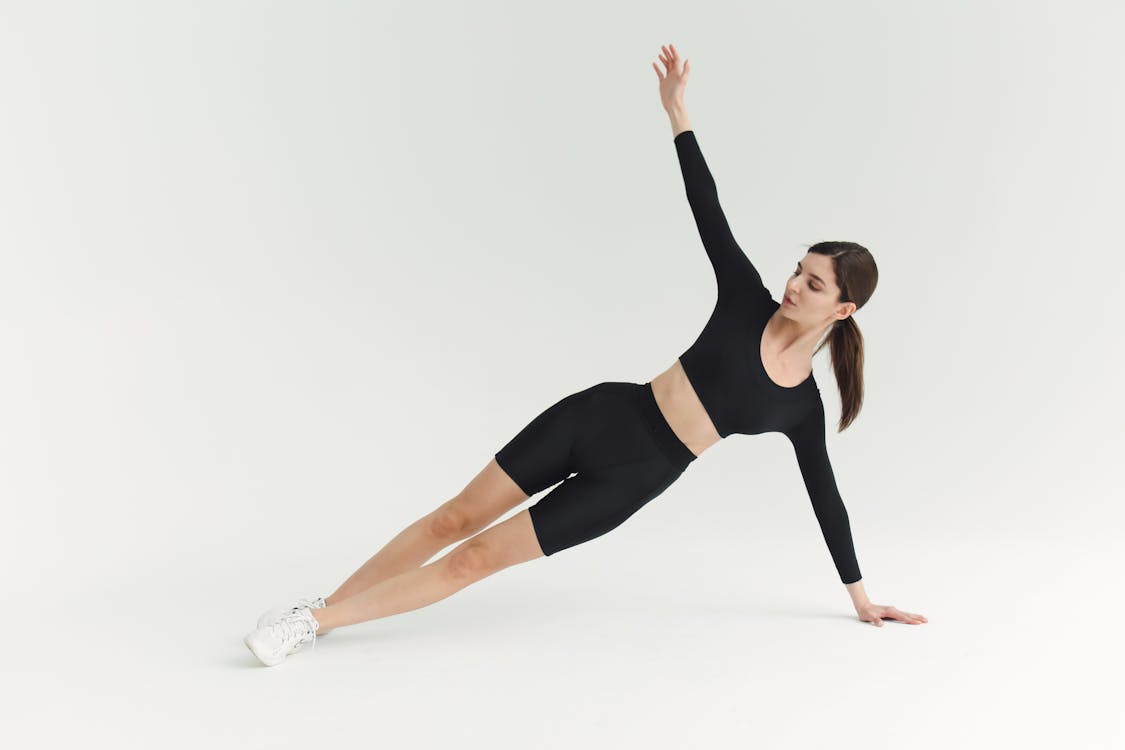
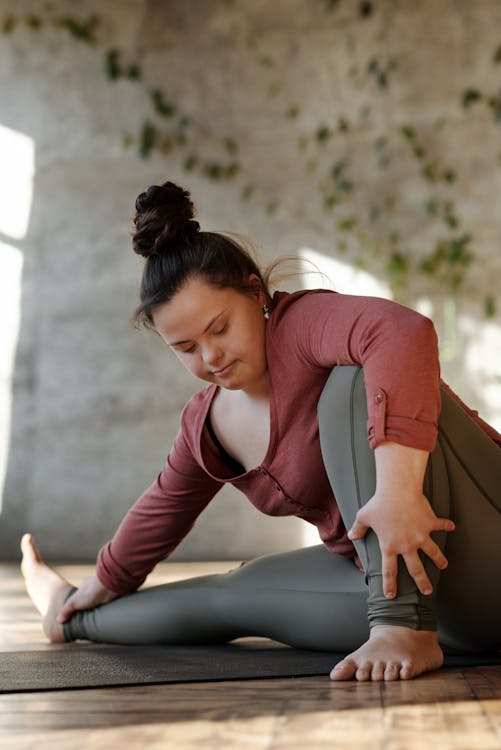
Gentle stretching helps maintain range of motion in your joints. This is particularly important first thing in the morning when stiffness is often worst.
Try: Gentle neck rolls, shoulder circles, wrist rotations, ankle circles. Hold each stretch for 15-30 seconds without bouncing.
2. Strengthening Exercises
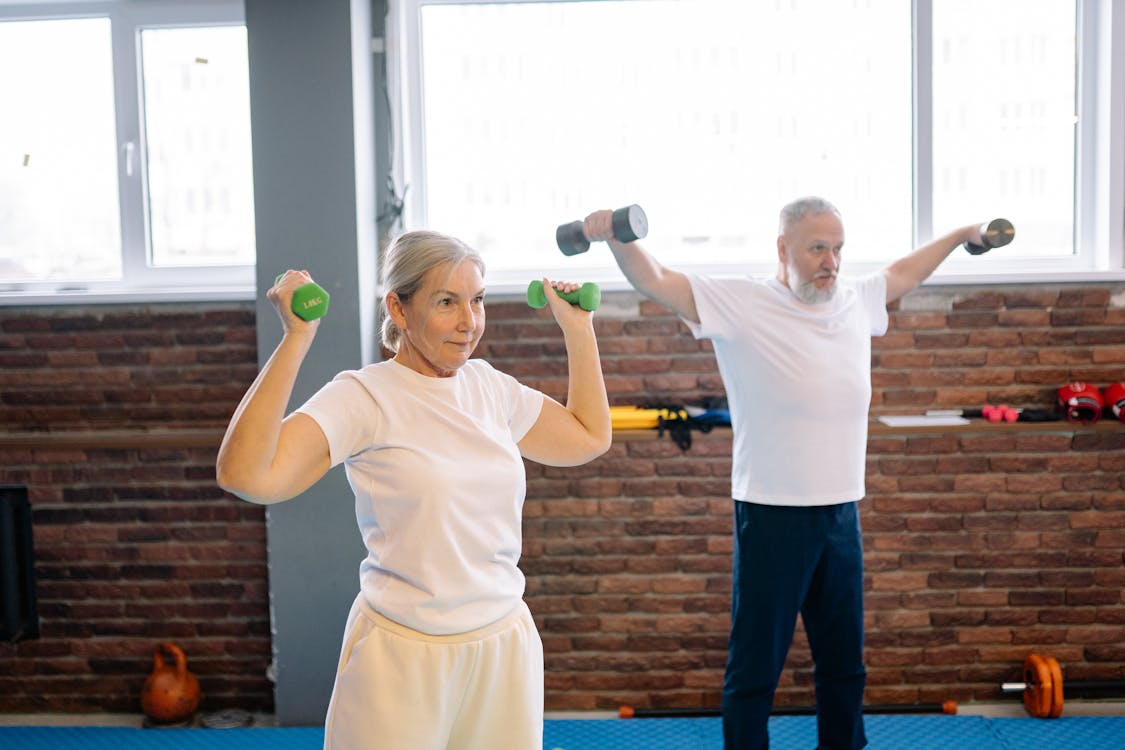
Stronger muscles provide better support for your joints and absorb shock during movement. Resistance bands and light weights are particularly joint-friendly.
Try: Seated leg extensions, wall push-ups, resistance band rows, chair squats. Start with low resistance and progress gradually.
3. Aerobic Exercise
Low-impact aerobic activities improve cardiovascular health without stressing your joints. They also help with weight management and mood.
Try: Walking, swimming, water aerobics, cycling, or using an elliptical trainer. Aim for 150 minutes per week, broken into manageable chunks.
Exercises for Common Problem Areas
Knee Arthritis
The quadriceps (front thigh muscles) are crucial for supporting the knee joint.
- Straight Leg Raises: Lying on your back, keep one leg bent and the other straight. Lift the straight leg 15-20cm, hold briefly, lower slowly. Repeat 10 times each leg.
- Mini Squats: Using a chair for support, lower yourself just 10-15cm as if sitting, then stand back up. This maintains strength without excessive knee bending.
Hip Arthritis
Hip exercises focus on maintaining mobility and strengthening the muscles around the joint.
- Hip Circles: Standing, hold onto a chair and make small circles with your knee, as if stirring a pot. 10 circles each direction, each leg.
- Side Leg Raises: Lying on your side or standing with support, lift your top leg sideways, keeping it straight. Repeat 10 times each side.
Hand and Wrist Arthritis
Gentle movements help maintain dexterity and reduce stiffness.
- Finger Spreads: Place your hand flat on a table. Spread your fingers apart as far as comfortable, then bring them back together. Repeat 10 times.
- Wrist Rotations: With arms extended, slowly rotate your wrists in circles. 10 rotations each direction.
- Grip and Release: Squeeze a soft ball or rolled towel, hold for 3 seconds, release. Repeat 10 times.
Exercise Tips for Managing Flare-Ups
Arthritis often has good days and bad days. Here's how to adapt:
- During a flare: Reduce intensity but try to maintain gentle range-of-motion exercises
- Listen to your body: Pain lasting more than two hours after exercise means you did too much
- Warm up: A warm shower or heat pack before exercise can reduce initial stiffness
- Timing: Most people find they're least stiff in the afternoon
- Pacing: Shorter, more frequent sessions may be better than longer sessions
Water-Based Exercise
Swimming pools offer an ideal environment for arthritis exercise. The water supports your body weight (reducing joint load by up to 90%), provides gentle resistance, and the warmth helps reduce stiffness.
Many leisure centres offer aqua aerobics classes specifically for people with arthritis or mobility limitations. Ask about warm water pools or hydrotherapy if available locally.
Getting Started Safely
Follow these principles when beginning an exercise programme with arthritis:
- Start low and go slow: Begin with short sessions and build up gradually
- Modify as needed: There's always an easier version of any exercise
- Use support: Chairs, walls, and rails are your friends
- Consistency beats intensity: Regular gentle movement is better than occasional intense workouts
- Celebrate progress: Small improvements in strength or flexibility are significant victories
References
- NHS. Exercise for Arthritis. nhs.uk
- Versus Arthritis. Exercise and Arthritis. versusarthritis.org
- Arthritis Foundation. Benefits of Exercise for Osteoarthritis. arthritis.org