After 50, maintaining strength isn't just about looking good - it's about preserving your independence, protecting your bones, and keeping your metabolism healthy. Here are five exercises that deliver maximum benefit with minimal risk.
Why Strength Training Matters After 50
Research from the NHS and international health bodies consistently shows that strength training helps maintain muscle mass (which naturally declines with age), supports bone density, improves balance, and can even help manage conditions like type 2 diabetes and arthritis.
The good news? You don't need heavy weights or complicated equipment to see benefits. These five exercises can be done at home or in a gym, and can be adapted to your current fitness level.
1. The Bodyweight Squat
Squats strengthen your quadriceps, hamstrings, and glutes - the muscles you use every day to sit down, stand up, and climb stairs. They also help maintain hip and knee mobility.
How to do it:
- Stand with feet shoulder-width apart, toes pointing slightly outward
- Hold onto a sturdy chair or counter for balance if needed
- Lower yourself as if sitting into a chair, keeping your weight in your heels
- Go as low as comfortable - even a small range of motion is beneficial
- Push through your heels to stand back up
Start with: 8-10 repetitions, 2-3 sets, with rest between sets.
2. The Wall Press-Up
This chest and arm exercise is a gentler alternative to floor press-ups while still building upper body strength. It's particularly good for maintaining the pushing strength you need in daily life.
How to do it:
- Stand facing a wall, about arm's length away
- Place your hands on the wall at shoulder height and shoulder-width apart
- Keeping your body straight, bend your elbows to bring your chest toward the wall
- Push back to the starting position
Start with: 10-12 repetitions, 2-3 sets.
3. The Seated Row (with Resistance Band)
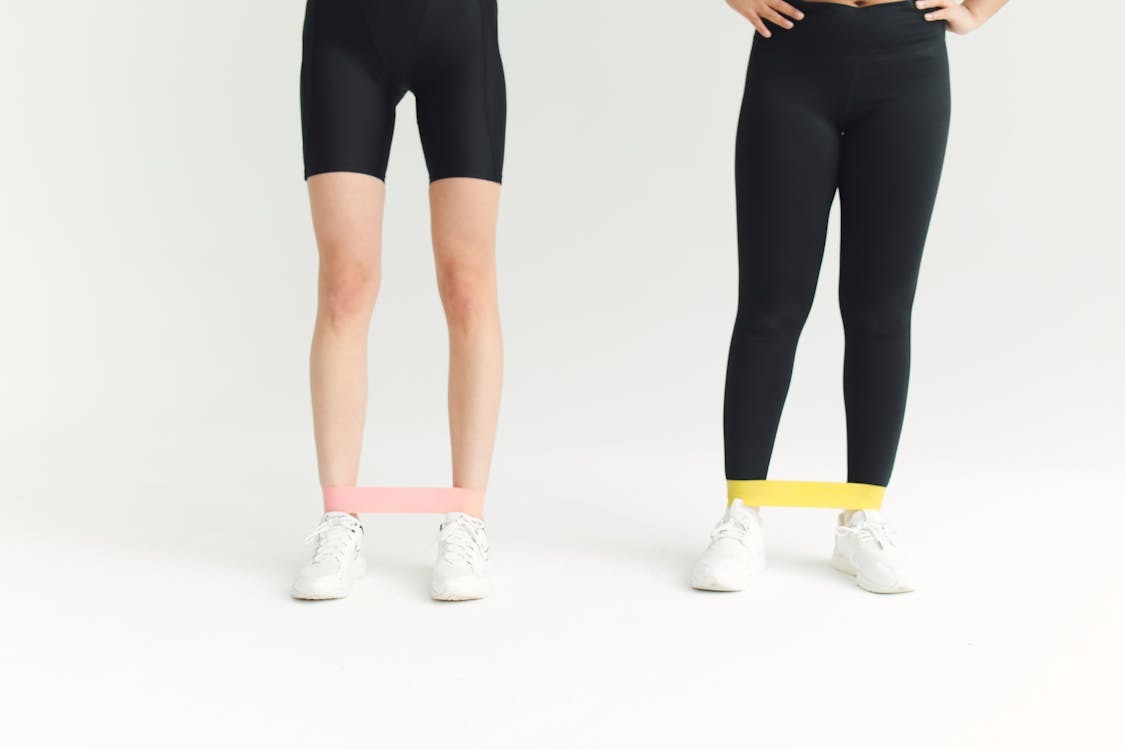
Pulling exercises strengthen your back muscles, improving posture and reducing the rounded shoulder position that can develop with age. A resistance band makes this exercise accessible and joint-friendly.
How to do it:
- Sit on a chair or the floor with legs extended
- Loop a resistance band around your feet, holding one end in each hand
- Sit tall with a straight back
- Pull the band toward your waist, squeezing your shoulder blades together
- Slowly release back to the starting position
Start with: 10-12 repetitions, 2-3 sets.
4. The Step-Up
Step-ups build leg strength and improve the balance and coordination you need for stairs and uneven surfaces. They also challenge your cardiovascular system gently.
How to do it:
- Stand facing a sturdy step, stair, or low platform (start low - 15-20cm)
- Hold onto a rail or wall for balance if needed
- Step up with your right foot, pressing through your heel
- Bring your left foot up to meet it
- Step down with the right foot first, then the left
- Repeat, alternating which foot leads
Start with: 8 repetitions each leg, 2 sets.
5. The Deadbug
This core exercise strengthens your deep abdominal muscles and lower back without putting pressure on your spine. A strong core is essential for balance, posture, and protecting your back during daily activities.
How to do it:
- Lie on your back with arms pointing toward the ceiling
- Lift your legs so your knees are above your hips, bent at 90 degrees
- Press your lower back gently into the floor
- Slowly lower your right arm behind your head while extending your left leg
- Return to the starting position and repeat on the other side
Start with: 6-8 repetitions each side, 2 sets.
Getting Started Safely
The key to success with strength training is consistency and gradual progression. Here are some principles to keep in mind:
- Start where you are: It's better to do easier versions well than harder versions poorly
- Progress slowly: Add repetitions or difficulty only when the current level feels comfortable
- Rest between sessions: Aim for 2-3 strength sessions per week with rest days between
- Listen to your body: Some muscle soreness is normal, but sharp pain means stop
- Warm up first: A 5-minute walk or gentle movement prepares your muscles
Taking the Next Step
These exercises are a fantastic starting point, but working with a qualified instructor can help you progress safely and get the most from your training. At FiftyPlus, our Redefine programme is specifically designed for adults over 50 who want to build strength, improve mobility, and regain confidence in their bodies.
References
- NHS. Physical activity guidelines for adults aged 19 to 64. nhs.uk
- World Health Organization. Physical Activity and Older Adults. who.int
- Age UK. Strength exercises. ageuk.org.uk