Concerns about balance are among the most common reasons adults over 50 hold back from activities they enjoy. Perhaps you've noticed a wobble when reaching for something on a high shelf, or felt less steady on uneven ground. These experiences are real, and they deserve attention - not as signs of decline, but as signals that your balance system is ready for some focused training. Balance is a skill, and like any skill, it responds remarkably well to practice. This guide gives you seven practical ways to build genuine balance confidence, starting today.
For a comprehensive overview of mobility, functional fitness, and staying independent, see our complete guide to independence and mobility after 50, which covers the full picture of maintaining confidence in daily life.
Understanding Balance: Why It Changes and What Helps
Balance depends on three systems working together: your vision, your inner ear (vestibular system), and proprioception - the sensors in your muscles and joints that tell your brain where your body is in space. All three naturally change over time, but the good news is that each system can be trained and improved at any age.
Research from the Chartered Society of Physiotherapy confirms that balance training produces measurable improvements within just four weeks. Your brain is remarkably adaptable - a property called neuroplasticity - and it responds to balance challenges by creating stronger neural pathways for stability. The more you practise, the more automatic your balance responses become.
Muscle strength plays a crucial role too. Your ankles, calves, quadriceps, and core muscles act as the physical foundation for balance. When these muscles are strong and responsive, they can make rapid corrections to keep you steady. This is why our balance foundation guide emphasises the connection between strength and stability.
5 Daily Balance Exercises You Can Start Today
These exercises require no equipment and can be done in your kitchen or living room. Start with a chair or worktop within arm's reach for support, and use less support as you grow more confident.
1. Single-Leg Stand
Stand near a worktop and lift one foot a few centimetres off the floor. Hold for 10 seconds, then switch legs. As this becomes comfortable, try 20 seconds, then 30. Progress by closing your eyes or standing on a folded towel for an unstable surface.
Why it works: This challenges your ankle stabilisers and proprioception in the simplest possible way. It's the foundation exercise physiotherapists recommend most often.
2. Heel-to-Toe Walking
Walk in a straight line placing the heel of your front foot directly against the toe of your back foot. Take 15-20 steps forward, then turn and walk back. Keep your gaze forward, not down at your feet.
Why it works: This narrow base of support challenges your lateral (side-to-side) stability, which is the direction most balance corrections occur.
3. Weight Shifting
Stand with feet hip-width apart. Slowly shift your weight to your right foot, lifting the left foot slightly. Hold for 5 seconds, then shift to the left. Progress by making the shifts slower and the holds longer.
Why it works: Every step you take involves a weight shift. Training this movement pattern makes walking on varied surfaces more natural and confident.
4. Toe Raises and Heel Raises
Standing behind a chair, rise onto your toes and hold for 3 seconds, then lower. Next, rock back onto your heels, lifting your toes, and hold for 3 seconds. Repeat 10 times each way. Progress by doing these on one leg at a time.
Why it works: These strengthen the calf and shin muscles that control forward-backward sway. Strong ankle muscles are your first line of defence for balance.
5. Sit-to-Stand Without Hands
Sit on a sturdy chair. Stand up without using your hands (cross them over your chest if helpful). Sit back down slowly, controlling the descent. Aim for 10 repetitions. Progress by using a lower seat or adding a pause at the halfway point.
Why it works: This is one of the most functional balance exercises because it mirrors a movement you perform dozens of times daily. It builds leg strength and coordination simultaneously.
Strength That Supports Balance
Balance isn't just about the inner ear - it's built on a foundation of muscular strength. Three areas deserve particular attention for balance confidence.
Leg Strength
Your quadriceps, hamstrings, and calf muscles are the primary movers for maintaining and recovering balance. Squats, step-ups, and calf raises build the strength reserves that let your body make rapid corrections when needed. Our comprehensive strength training guide provides detailed programmes for building leg strength progressively.
Core Stability
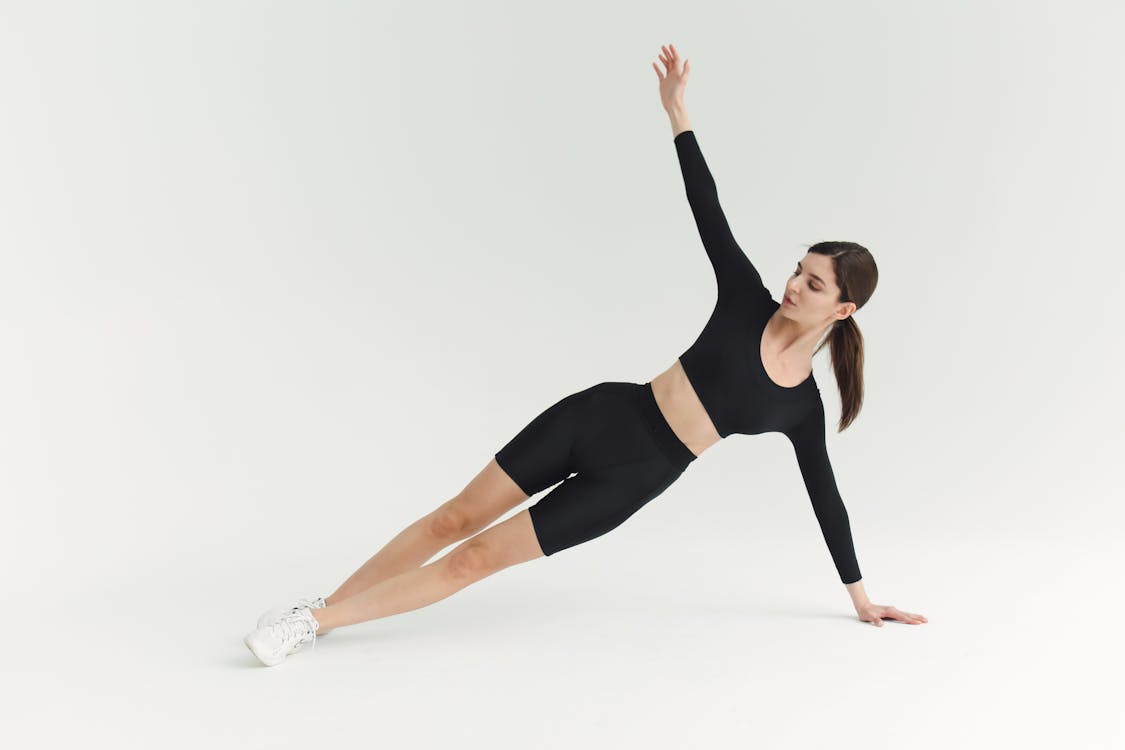
Your core muscles connect your upper and lower body and provide the stability platform for all movement. Planks (modified as needed), bird-dogs, and gentle rotation exercises strengthen the deep stabilising muscles that keep your trunk steady during balance challenges.
Ankle Strength
Often overlooked, ankle strength and flexibility are critical for balance. Ankle circles, resistance band exercises for the ankle, and the toe and heel raises described above all contribute to faster, more effective balance reactions.
Home Safety: Simple Changes That Matter
While building balance through exercise, it's also practical to make your home environment work with you, not against you. These adjustments reduce unnecessary risk while you build confidence.
- Lighting: Ensure hallways, stairs, and bathrooms are well lit, especially at night. Motion-sensor night lights cost a few pounds and make a genuine difference.
- Floor surfaces: Secure loose rugs with non-slip backing or remove them. Keep floors clear of cables and clutter, especially on routes you walk frequently.
- Bathroom: A non-slip bath mat and grab rails near the shower or bath are among the most effective safety additions. These aren't signs of frailty - they're sensible design for any home.
- Stairs: Ensure handrails are secure and use them. Keep stairs clear of objects and well lit from top to bottom.
- Footwear: Wear supportive, well-fitting shoes indoors rather than loose slippers or socks on smooth floors. Good footwear significantly improves stability.
For more comprehensive fall prevention strategies, see our fall prevention section in the independence and mobility guide.
Building Confidence: The Mental Side of Balance
Balance confidence is as much psychological as physical. Research from Age UK shows that fear of falling can itself reduce activity levels, which leads to muscle weakness, which increases actual fall risk. Breaking this cycle requires addressing both the physical and mental components.
Here's what helps build genuine confidence:
- Gradual exposure: Start balance exercises in a safe environment (near a worktop or wall) and progressively reduce support as you feel ready. Each small success builds neural pathways for confidence.
- Track your progress: Keep a simple record of your balance exercises. When you can hold a single-leg stand for 30 seconds when you started at 10, that's measurable evidence of improvement.
- Practise in varied environments: Once comfortable at home, try balance exercises in different settings - on grass, on a slightly uneven path, or while carrying a light object. This builds adaptable balance skills.
- Focus on what you can do: Instead of cataloguing limitations, notice improvements. "I walked to the shops on the uneven pavement without thinking about it" is a genuine balance achievement.
Balance is a feedback loop - the more you practise, the more capable you feel, and the more capable you feel, the more activities you engage in, which further improves your balance.
When to Seek Professional Assessment
While balance exercises benefit virtually everyone, certain situations warrant professional guidance. Consider seeing your GP or a physiotherapist if:
- You've experienced a fall or a near-fall that concerned you
- You notice sudden or significant changes in your balance
- You feel dizzy or lightheaded regularly
- You have a condition that affects your balance (such as vertigo, Parkinson's, or inner ear problems)
- You take medications that list dizziness as a side effect
- You'd like a personalised balance programme tailored to your specific needs
NHS physiotherapy and many GP referral schemes offer balance assessments and tailored exercise programmes. These aren't just for people who have fallen - they're proactive tools for anyone who wants to improve their stability.
For those interested in balance-specific exercises, our companion guide covers seven proven movements in detail.
Your 4-Week Balance Building Plan
This progressive plan builds your balance skills systematically. Practise for 10-15 minutes daily, and you'll notice meaningful improvements within the month.
Week 1: Foundation
- Practise the 5 daily exercises above, using a chair or worktop for support
- Hold each balance position for 10 seconds
- Focus on form rather than duration
- Practise at the same time each day to build the habit
Week 2: Building Duration
- Increase balance holds to 15-20 seconds
- Reduce how much you rely on the chair or worktop (fingertips only)
- Add heel-to-toe walking backward (extra challenge for your balance system)
- Try the exercises on a carpeted surface if you've been on hard floor, or vice versa
Week 3: Adding Challenge
- Aim for 20-30 second holds on single-leg stands
- Try the exercises with only light fingertip support, or no support if comfortable
- Add head turns while balancing (look left, right, up, down while standing on one leg)
- Practise the sit-to-stand with a slightly lower seat or a pause at halfway
Week 4: Integration
- Challenge yourself with eyes-closed single-leg stands (near support just in case)
- Combine exercises into a flowing sequence without breaks between them
- Practise balance challenges during daily tasks (standing on one leg while waiting for the kettle)
- Notice how your confidence has changed since week 1
After four weeks, you'll have built both the physical foundation and the confidence to continue progressing. Many people find they naturally incorporate balance practice into their daily routine at this point.
Frequently Asked Questions
Can balance really improve at any age?
Yes. Research consistently shows that balance training produces measurable improvements regardless of age. Studies involving adults in their 80s and 90s demonstrate significant balance gains with consistent practice. Your brain retains the ability to adapt and create new neural pathways for balance throughout life.
How long does it take to notice balance improvements?
Most people notice improvements within 2-4 weeks of daily practice. You might first notice that you feel steadier during everyday activities - less need to grab a handrail, more confidence on uneven ground. Measurable improvements in balance test scores typically appear after 4-6 weeks of consistent training.
Do I need special equipment for balance exercises?
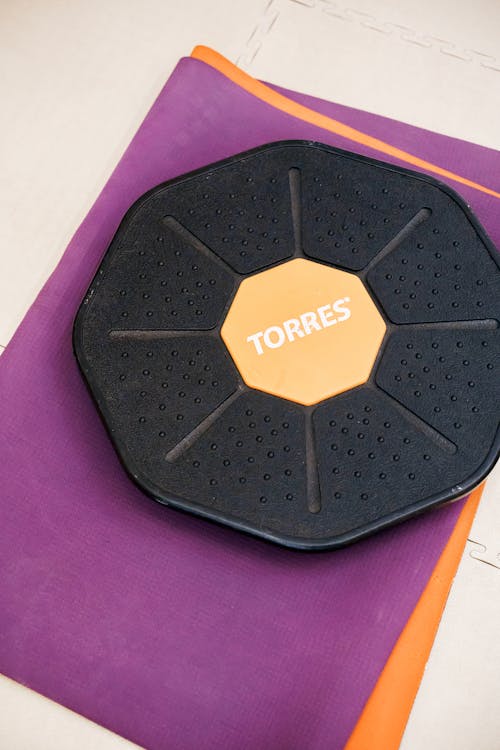
No. The most effective balance exercises use your body weight and gravity. A sturdy chair or worktop for initial support is all you need. As you progress, a folded towel or cushion can create an unstable surface for additional challenge. Specialist balance equipment like wobble boards can be useful but aren't necessary.
Should I stop balance training if I feel wobbly?
Feeling slightly wobbly during balance exercises is actually a good sign - it means you're challenging your balance system, which is how it improves. Always practise near something sturdy you can hold if needed. However, if you feel dizzy, lightheaded, or experience pain, stop and rest. Wobbling is training; dizziness is a signal to pause.
References
- NHS. Falls - Prevention. nhs.uk
- Age UK. Exercises to help prevent falls. ageuk.org.uk
- Chartered Society of Physiotherapy. Balance exercises. csp.org.uk