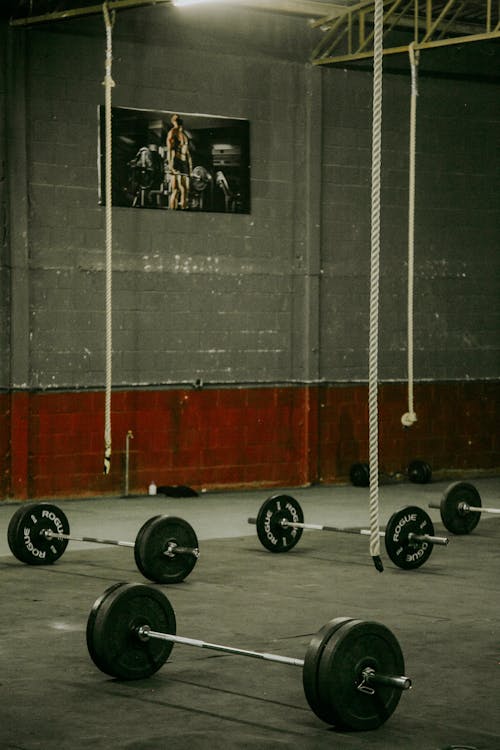
Strength training after 50 isn't just possible - it's essential. This comprehensive guide covers everything you need to know about building and maintaining strength safely and effectively as you age. Whether you're starting from scratch or returning after a break, you'll find the knowledge and practical strategies to succeed.
Why Strength Training Becomes More Important After 50
From around age 30, we begin to lose muscle mass at a rate of 3-8% per decade. After 50, this rate can accelerate if we don't actively work to maintain our muscles. This natural process, called sarcopenia, isn't just about appearance - it affects your ability to perform everyday tasks, maintain balance, and live independently.
The good news is that research consistently shows strength training can reverse these effects at any age. Studies have found significant muscle gains even in adults in their 80s and 90s who begin resistance training.
The Science-Backed Benefits
The NHS and international health organisations recommend strength training for all adults, with particular emphasis on those over 50. Here's what the evidence shows:
- Bone density: Resistance training stimulates bone formation, reducing osteoporosis risk
- Metabolic health: Muscle tissue burns more calories at rest, helping maintain healthy weight
- Blood sugar control: Strength training improves insulin sensitivity
- Balance and fall prevention: Stronger muscles mean better stability
- Joint health: Strong muscles support and protect your joints
- Mental wellbeing: Exercise releases endorphins and reduces anxiety and depression
- Cognitive function: Regular exercise is associated with better brain health
Getting Started: The First Steps
Starting strength training doesn't require expensive equipment or a gym membership. The most important thing is to begin at the right level for you and progress gradually.
Before You Begin
If you have any health conditions, take medications, or have been inactive for a long time, speak with your GP before starting. This is especially important if you have heart conditions, high blood pressure, diabetes, or joint problems. They may refer you to a physiotherapist or exercise specialist who can create a tailored programme.
Equipment Options
You can get started with very little equipment:
- Bodyweight only: Many effective exercises use just your body weight
- Resistance bands: Affordable, joint-friendly, and versatile
- Light dumbbells: Start with 1-3kg and progress as you get stronger
- Household items: Water bottles, bags of rice, or tinned goods can work initially
The Core Movement Patterns
All strength exercises can be grouped into a few fundamental movement patterns. A well-rounded programme should include exercises from each category:
Pushing Movements
These work your chest, shoulders, and triceps. Examples include wall press-ups, seated chest presses, and overhead presses. These movements are essential for everyday tasks like pushing open doors, lifting objects overhead, and getting up from the floor.
Pulling Movements
These strengthen your back and biceps. Examples include seated rows with a resistance band, bent-over rows with dumbbells, and lat pulldowns. Strong back muscles improve posture and help with tasks like opening heavy doors and carrying shopping bags.
Squatting Movements
These work your quadriceps, hamstrings, and glutes. Examples include chair squats, goblet squats, and leg presses. These are the muscles you use to sit down, stand up, climb stairs, and get in and out of cars.
Hinging Movements
These target your posterior chain - hamstrings, glutes, and lower back. Examples include Romanian deadlifts, hip hinges, and bridges. These movements are crucial for picking things up from the floor and maintaining a healthy lower back.
Core Stability
A strong core protects your spine and provides the foundation for all other movements. Examples include deadbugs, bird-dogs, planks, and Pallof presses. Core strength is essential for balance, posture, and preventing back pain.
Designing Your Programme
A good strength programme for beginners should be simple and sustainable. Here's a framework to follow:
- Frequency: 2-3 sessions per week with at least one rest day between sessions
- Duration: 20-45 minutes per session is plenty
- Exercises: 4-6 exercises covering the main movement patterns
- Sets and reps: 2-3 sets of 8-12 repetitions per exercise
- Rest: 60-90 seconds between sets
Progression: The Key to Long-Term Success
Your muscles adapt to the demands placed on them. To continue getting stronger, you need to gradually increase the challenge. This is called progressive overload.
Ways to progress include:
- Adding more repetitions
- Adding more sets
- Using heavier weights or stronger resistance bands
- Increasing the range of motion
- Reducing rest time between sets
- Making the exercise more challenging (e.g., from wall press-ups to incline press-ups)
The key is patience. Small, consistent progress is more sustainable and safer than trying to do too much too soon.
Common Mistakes to Avoid
Understanding common pitfalls can help you train more safely and effectively:
- Skipping the warm-up: Always spend 5-10 minutes warming up before training
- Progressing too fast: Patience prevents injuries and builds lasting strength
- Ignoring pain: Muscle soreness is normal; sharp or joint pain is not
- Poor form: Quality always trumps quantity - master the basics first
- Inconsistency: Regular training beats occasional intense sessions
- Neglecting recovery: Sleep, nutrition, and rest days are part of the programme
Recovery and Nutrition
What you do between workouts matters as much as the workouts themselves.
Protein
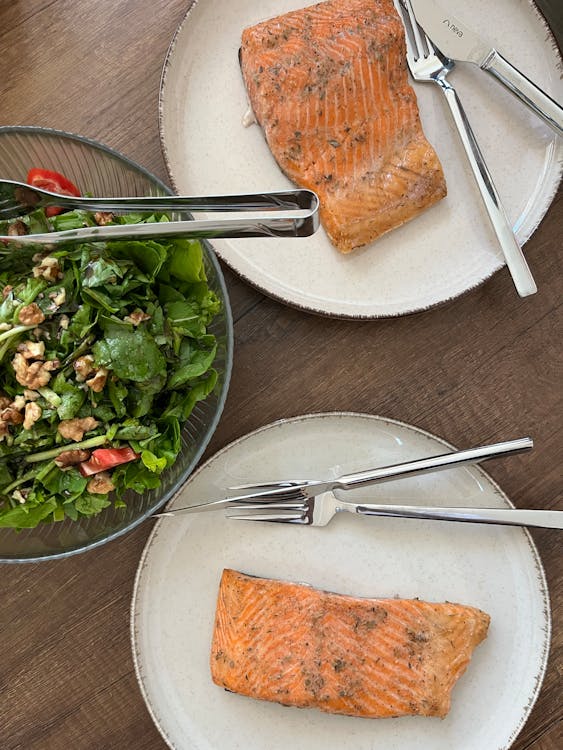
Protein is essential for muscle repair and growth. Adults over 50 may actually need more protein than younger people. Aim for 1.0-1.2g per kg of body weight daily, spread across meals. Good sources include lean meats, fish, eggs, dairy, legumes, and tofu.
Sleep
Most muscle repair happens during sleep. Aim for 7-9 hours per night and maintain a consistent sleep schedule.
Hydration
Muscles are about 75% water. Drink plenty of water throughout the day, and remember that thirst sensation can diminish with age, so don't wait until you feel thirsty.
When to Seek Professional Guidance
While you can make good progress on your own, working with a qualified professional can accelerate your results and reduce injury risk. Consider seeking guidance if:
- You have health conditions that require exercise modifications
- You're recovering from injury or surgery
- You're not seeing progress with your current approach
- You want to learn proper technique with hands-on feedback
- You'd benefit from accountability and structured programming
Taking Your First Step
The best time to start strength training was 20 years ago. The second best time is today. Whatever your current fitness level, there's a starting point that's right for you.
References
- NHS. Strength and Flexibility Exercises. nhs.uk
- World Health Organization. Physical Activity Fact Sheet. who.int
- British Geriatrics Society. Fit for Frailty. bgs.org.uk
- Age UK. Staying Steady: Falls Prevention. ageuk.org.uk
- PubMed. Resistance Training for Older Adults. pubmed.ncbi.nlm.nih.gov