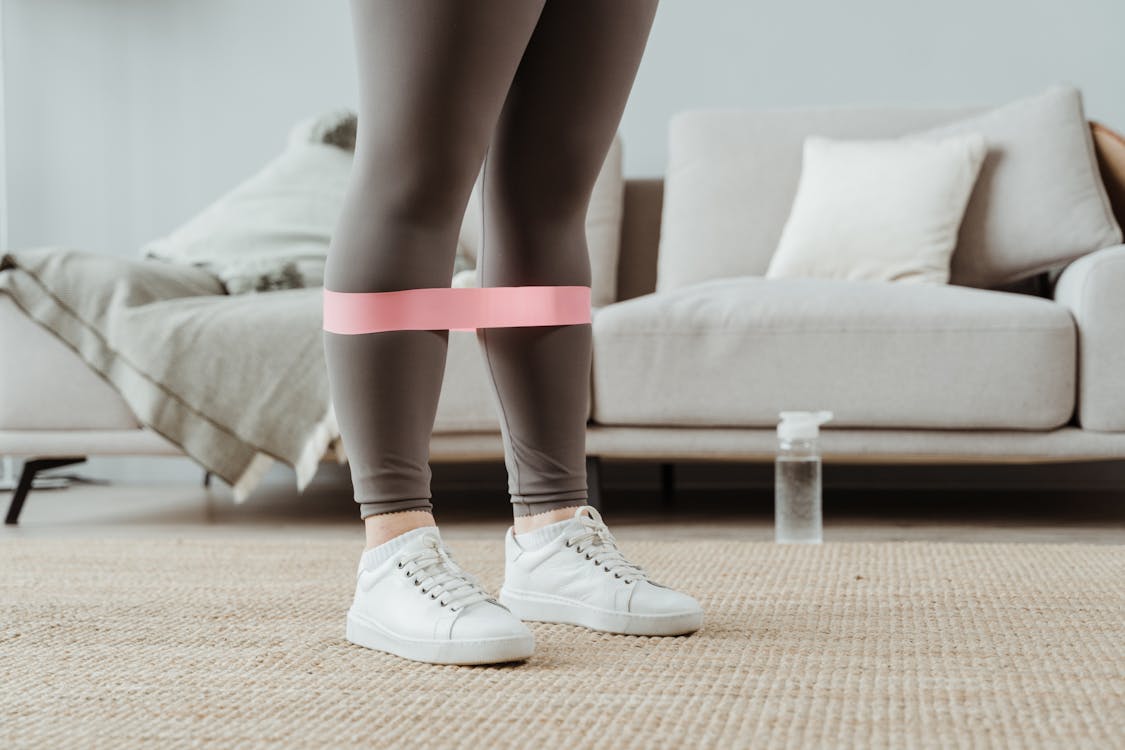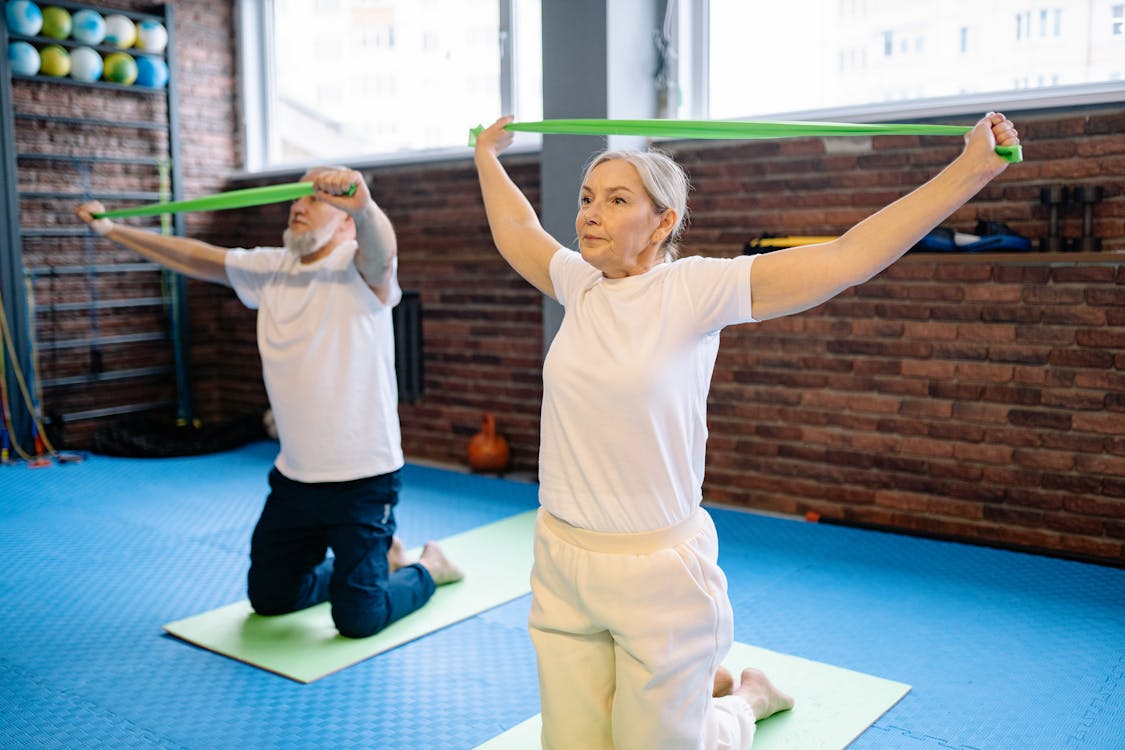
"I am awaiting a knee replacement, so I would very much like to strengthen my leg muscles to support that." That is one of the most sensible things anyone has written to us, and the wait is often long enough to do something useful with. This is what the months before surgery are for, what training around a painful joint looks like, and what to leave alone.
Why the wait matters
A painful joint changes how you move long before it is replaced. You take the stairs one at a time, you sit down more, you stop doing the things that hurt. The muscles around the joint, especially the quadriceps at the front of the thigh and the glutes and hip muscles, lose strength while you wait, because they are being asked to do less. Those are exactly the muscles the recovery afterwards depends on. Arriving at surgery with as much of that strength as possible is the whole idea.
What "prehab" means, and what it can and cannot do
Prehab is simply rehabilitation done before the operation instead of only after it. The research on whether it speeds recovery is mixed, and anyone who promises you a faster recovery is ahead of the evidence. Two things are not in doubt. Being stronger makes the months before surgery easier, and the exercises you will be given afterwards, sit-to-stand, bridges, step-ups, straight-leg raises, are far easier to do well when you already know them.
Nothing exercise does repairs the joint itself. What it does is build the muscle around the joint so the joint does less of the work. That is as true before an operation as after one.
Principles for training around a painful joint
- Work within tolerable pain. A useful rule is a scale of zero to ten: discomfort up to about a four that settles by the next day is acceptable; sharp pain, or pain that is worse the following morning, means the load was too much. Reduce it and try again.
- Load the muscles, not the joint. Sit-to-stand from a higher chair, bridges, side-lying leg raises, step-ups to a low step, and static holds all strengthen the muscles around a knee or hip without pounding the joint. No impact, no deep loaded bending, nothing your surgeon has ruled out.
- The other leg and your upper body still count. You will use both to get around on crutches or a frame. A stronger unaffected leg and stronger arms make the first weeks after surgery noticeably easier.
- Keep moving generally. Short walks, a stationary bike with the seat high, or the pool keep the joint moving and your fitness up. Our guide to strength training with chronic conditions covers the adaptations in more detail.
- Progress slowly and write it down. One more repetition, one slightly lower chair, one extra step a week. The numbers matter more than how any single session felt.
What to avoid
Pushing through sharp pain, on the theory that surgery will fix it anyway, is the one habit that makes the wait worse. So is stopping altogether. The middle path, which is loading the muscles as much as the joint will tolerate and no more, is what a good physiotherapist or coach is for.
Talk to your surgeon and physiotherapist
Take your plan to your pre-operative appointment and ask two questions: is there anything I should not do, and is there anything you would like me to do more of. Most surgical teams are pleased to be asked. Some hospitals run their own pre-operative exercise classes; if yours does, that is your starting point, and coached strength work fits around it.
After the operation
Follow the hospital's rehabilitation exactly, for as long as they say. When you are discharged from physio, the job is not finished: that is when most people stop, and it is when the strength you built before surgery needs rebuilding. Our guide to exercise after a hip or knee replacement picks up from there.
Frequently asked questions
Can I still train with a bad knee or hip?
In most cases, yes, within the limits above and with your surgeon's agreement. Many people train every week with a knee or hip that is waiting for surgery. The exercises are chosen and adjusted to what the joint can take, and they change as it changes.
Will exercise wear the joint out faster?
For osteoarthritis, exercise is recommended by the NHS as a core treatment, not something to avoid. Sensible loading does not wear a joint out; disuse weakens the muscles that protect it. The exception is any activity your surgeon has specifically told you to stop.
What if the pain flares up?
Drop the load, keep the movement, and give it a few days. A flare is information about the dose, not a reason to stop. If a flare does not settle within a week, or comes with swelling, heat or giving way, contact your GP or the surgical team.
References
- NHS. Knee replacement. nhs.uk
- NHS. Hip replacement. nhs.uk
- NHS. Osteoarthritis: treatment. nhs.uk
- Chartered Society of Physiotherapy. Exercise advice. csp.org.uk