You have been told to eat more protein if you want to build muscle after 50. But how much do you actually need? Which foods deliver the most per serving? And does timing really matter? This guide cuts through the noise with evidence-based answers. Whether you are new to strength training or have been at it for years, getting your protein right can make the difference between treading water and making genuine progress.
For a full overview of strength training principles and programming, see our complete guide to strength training over 50, which covers exercise selection, progression, and long-term strategies.
Why Protein Becomes More Important After 50
From around age 30, your body gradually becomes less efficient at using dietary protein to build and repair muscle. Scientists call this anabolic resistance - your muscles need a stronger protein signal to trigger the same repair and growth response that came more easily in your 20s and 30s. By 50, this shift is measurable.
At the same time, you naturally lose muscle mass at a rate of roughly 1-2% per year if you are not actively training. This combination - harder to build, easier to lose - means protein strategy becomes genuinely important, not just a nice idea.
The good news? Research consistently shows that adults over 50 who combine adequate protein intake with regular strength training can build muscle effectively. Your body absolutely responds - it simply needs the right inputs.
How Much Protein Do You Actually Need?
The UK Reference Nutrient Intake (RNI) suggests 0.75g of protein per kilogram of body weight per day. For a 70kg person, that is just 52.5g daily. However, the British Nutrition Foundation and multiple international research bodies suggest this is insufficient for people over 50 who are physically active.
Current evidence-based recommendations for adults over 50 who strength train:
- General health maintenance: 1.0-1.2g per kilogram of body weight daily
- Active strength training: 1.2-1.6g per kilogram of body weight daily
- Recovery from illness or injury: Up to 2.0g per kilogram, under medical guidance
For a 70kg adult doing regular strength training, this means roughly 84-112g of protein per day. That sounds like a lot, but spread across three meals and a snack, it is entirely achievable with normal food.
The Best Protein Sources for Muscle Building
Not all protein is created equal. The quality of a protein source depends on its amino acid profile, digestibility, and the presence of leucine - the amino acid most responsible for triggering muscle protein synthesis. Here are the most effective options:
High-Quality Animal Proteins
- Eggs (2 large): 14g protein - complete amino acid profile, affordable, versatile
- Chicken breast (100g): 31g protein - lean, high in leucine
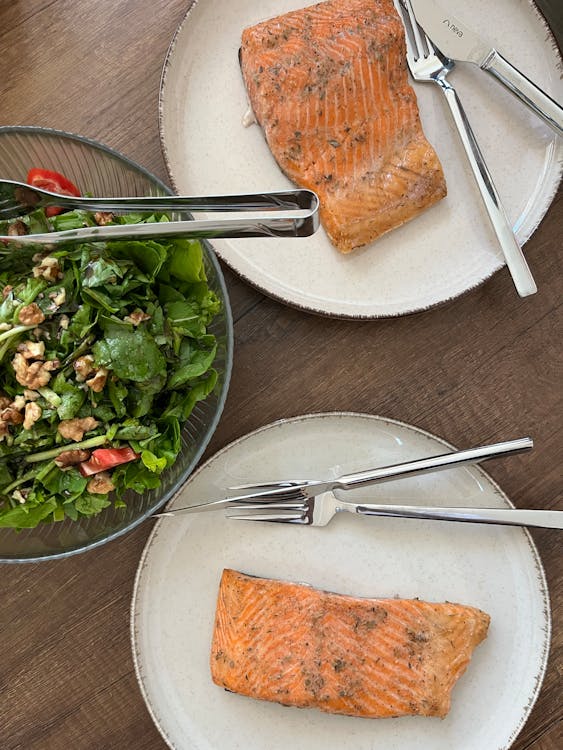
- Salmon (100g): 20g protein - plus omega-3 fatty acids for inflammation management
- Greek yoghurt (150g): 15g protein - excellent as a snack, contains beneficial bacteria
- Cottage cheese (100g): 11g protein - slow-digesting casein, good before bed
- Lean beef (100g): 26g protein - high in iron, zinc, and B vitamins
Plant-Based Protein Sources
- Lentils (100g cooked): 9g protein - also rich in fibre and iron
- Chickpeas (100g cooked): 8.4g protein - versatile in salads, curries, and hummus
- Tofu (100g): 12g protein - complete protein, absorbs flavours well
- Quinoa (100g cooked): 4.4g protein - one of few plant-based complete proteins
- Nuts and seeds (30g): 5-7g protein - also provide healthy fats
If you follow a plant-based diet, combining different protein sources throughout the day ensures you get all essential amino acids. You do not need to combine them at every meal - your body manages this across the day.
Does Protein Timing Actually Matter?
The short answer: somewhat, but less than total daily intake. Research suggests a few timing principles that can help optimise muscle building:
- Spread it across the day: Aim for 25-40g of protein at each meal rather than loading it all into dinner. This provides consistent muscle-building signals throughout the day.
- Post-workout protein: Having protein within 1-2 hours after strength training supports recovery. This does not need to be a shake - a normal meal works perfectly well.
- Before bed: A protein-rich snack like Greek yoghurt or cottage cheese before sleep can support overnight muscle repair, particularly useful after 50.
The most common mistake is skipping breakfast protein. A slice of toast with jam provides almost no protein. Adding eggs, Greek yoghurt with nuts, or smoked salmon transforms breakfast into a muscle-supporting meal.
Understanding how recovery works helps you see why protein timing matters - your muscles rebuild during rest, and they need the raw materials to do so effectively.
A Practical Day of Muscle-Building Nutrition
Here is what a day of adequate protein looks like with normal food - no supplements required:
- Breakfast: Two scrambled eggs on wholemeal toast with a glass of milk (24g protein)
- Mid-morning snack: Greek yoghurt with a handful of almonds (18g protein)
- Lunch: Chicken and vegetable stir-fry with brown rice (35g protein)
- Afternoon snack: Apple with a tablespoon of peanut butter (4g protein)
- Dinner: Grilled salmon with sweet potato and broccoli (25g protein)
Total: approximately 106g protein. For a 70kg person, this falls right within the 1.2-1.6g/kg recommended range. Notice that every meal and most snacks contain a protein source.
Do You Need Protein Supplements?
For most people, the answer is no. Whole foods provide protein alongside vitamins, minerals, and fibre that supplements cannot replicate. However, there are situations where a supplement can help:
- Reduced appetite: Some adults over 50 find their appetite decreases, making it harder to eat enough protein from food alone
- Convenience: A protein shake is genuinely easier than cooking after a workout
- Recovery from illness: When food intake is compromised, supplements can fill the gap temporarily
If you do choose a supplement, whey protein is the most researched option for muscle building. Those who are lactose intolerant can consider whey isolate (lower lactose) or plant-based alternatives like pea protein. Always check with your GP if you have kidney concerns, as very high protein intake requires healthy kidney function.
Protein and Hydration
Higher protein intake increases your body's need for water. Protein metabolism produces urea, which your kidneys flush out with water. This is entirely normal and healthy, but it means staying well hydrated becomes even more important.
Aim for 6-8 glasses of water daily, more on training days or in warm weather. Tea and coffee count toward your fluid intake. If your urine is pale straw-coloured, you are well hydrated.
Common Protein Mistakes to Avoid
- Protein-loading at dinner only: Eating 60g at dinner and 10g at breakfast wastes muscle-building potential. Spread it evenly.
- Relying on protein bars: Many are essentially confectionery with added protein. Check sugar content before buying.
- Ignoring carbohydrates: Protein works best alongside carbohydrates, which provide energy for training and help shuttle amino acids into muscles.
- Overthinking it: Perfect is the enemy of good. Simply adding a protein source to every meal is the single most impactful change you can make.
Frequently Asked Questions
How much protein do I need per day after 50?
If you are strength training regularly, aim for 1.2-1.6g of protein per kilogram of body weight daily. For a 70kg person, that is 84-112g per day, spread across meals. This is higher than the standard UK recommendation because active people over 50 need more protein to overcome age-related changes in how the body uses protein for muscle building.
Can I get enough protein without supplements?
Absolutely. Three meals containing a good protein source (eggs, fish, chicken, legumes, dairy) plus one protein-rich snack typically provides 80-120g daily. Supplements are a convenience, not a necessity. Whole foods also provide vitamins, minerals, and fibre that supplements cannot match.
Is too much protein bad for my kidneys?
For people with healthy kidneys, protein intakes of up to 2g per kilogram of body weight are considered safe by major nutrition bodies. If you have existing kidney disease or concerns, speak with your GP before significantly increasing protein intake. For most healthy adults over 50, the greater risk is eating too little protein rather than too much.
When is the best time to eat protein for muscle building?
Total daily intake matters more than exact timing. However, spreading protein across the day (25-40g per meal) and having protein within 1-2 hours after training appears to optimise muscle building. A protein-rich snack before bed, such as Greek yoghurt, can also support overnight muscle repair.
References
- NHS. Meat in your diet. nhs.uk
- British Nutrition Foundation. Protein. nutrition.org.uk
- NHS. Strength and flexibility exercises. nhs.uk
- British Dietetic Association. Protein food fact sheet. bda.uk.com