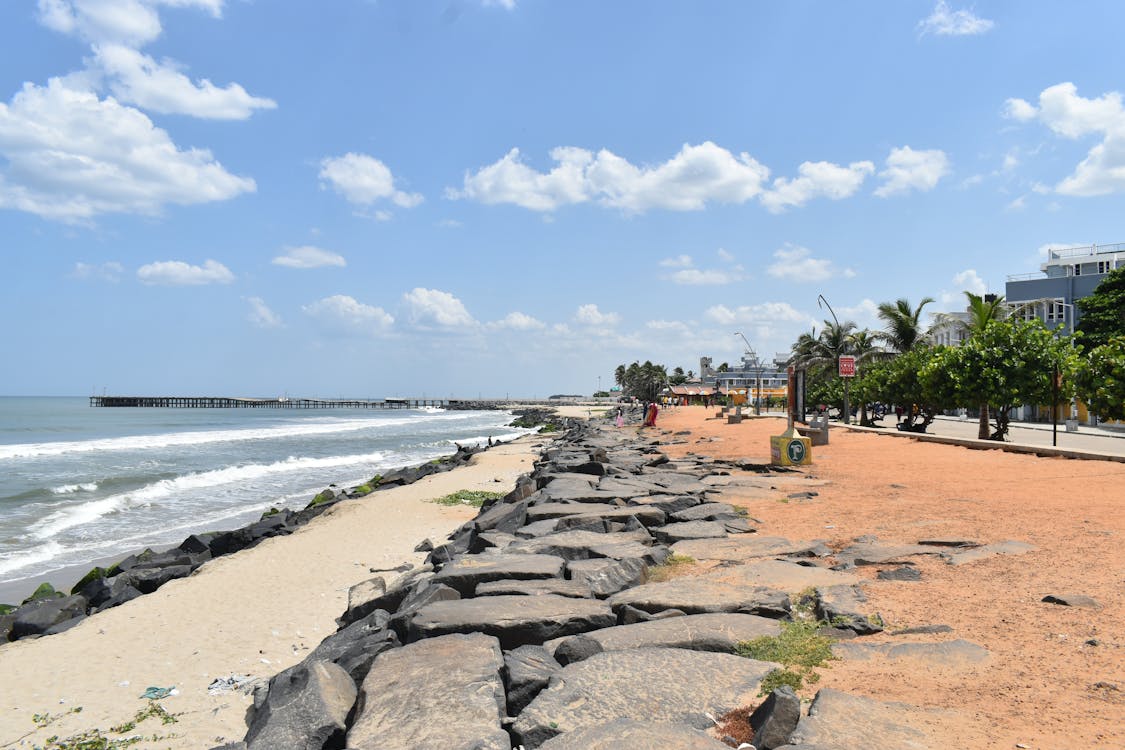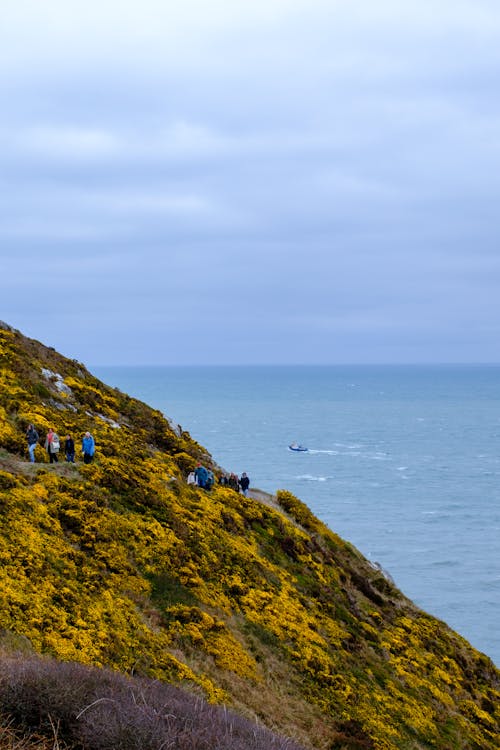
The coastal path from Tynemouth to Cullercoats is one of the finest short walks in the North East. With dramatic clifftop views, centuries of maritime history, and a string of sandy bays, this two-mile stretch delivers more per step than almost any walk in North Tyneside. Best of all, it suits practically everyone - whether you walk regularly or are just getting started.
Route Overview
- Distance: Approximately 2 miles (one way)
- Time: 40-60 minutes at a comfortable pace
- Difficulty: Easy to moderate (some gentle inclines and optional steps)
- Surface: Mostly paved paths; short grassy sections optional
- Facilities: Cafes, public toilets, and benches at both ends and along the route
- Public transport: Metro to Tynemouth station (5 minutes from start point)
This walk runs north along the coast from Tynemouth village to the sheltered bay at Cullercoats. You can walk it in either direction, but starting at Tynemouth gives you the dramatic Priory ruins as your opening scene and Cullercoats Bay as a rewarding finish.
Starting at Tynemouth: The Priory and Castle
Begin at Tynemouth Priory, where the ruins of the medieval monastery sit on a dramatic headland above the mouth of the River Tyne. The site has been occupied for over 2,000 years - Iron Age settlers, Anglo-Saxon monks, and medieval soldiers all recognised the strategic value of this clifftop position.
Even without entering the English Heritage site, the views from the headland are spectacular. You can see the river mouth, the South Shields coastline, and on clear days, the outline of Sunderland. Take a moment here before setting off - it is worth arriving a few minutes early to soak it in.
From the Priory, head north along Front Street. Tynemouth village itself is a pleasant spot, with independent shops, cafes, and the famous Tynemouth Station Market, which runs every weekend. If you are walking on a Saturday or Sunday, you might want to browse the market stalls before or after your walk.
Along the Coast: King Edward's Bay and Long Sands
As you leave the village, the path drops gently towards King Edward's Bay - a small, sheltered beach tucked between the headland and the start of Long Sands. At low tide, the golden sand and rock pools make this a lovely spot for a short detour. There is a slipway path down to the beach, though it can be steep, so take care if the surface is wet.
From King Edward's Bay, the path follows the clifftop above Long Sands, one of the finest beaches in the North East. The views open up magnificently here. On a clear day, you can see the full sweep of the coast northward to St Mary's Lighthouse and beyond.
Long Sands is popular with surfers, swimmers, and dog walkers year-round. Watching the surfers from the clifftop path is one of the simple pleasures of this walk. The path is wide and paved through this section, with benches positioned at intervals - ideal if you want to sit and enjoy the view.
The Tyne and Wear Metro runs parallel to the coast here. If you take the Metro to Tynemouth to start your walk, you are just minutes from this stunning coastline. It is one of the most accessible coastal walks in the region.
What You Will See Along the Way
Beyond the views, the walk is rich with things to notice:
- Tynemouth Priory: Dramatic medieval ruins with over 2,000 years of history
- King Edward's Bay: A sheltered cove perfect for a short beach detour
- Long Sands: A mile-long golden beach with surfers and sea views
- Cullercoats Bay: A picturesque harbour bay with lifeboat station and artist heritage
- Wildlife: Cormorants, kittiwakes, and grey seals are regular visitors to this stretch
- Coastal wildflowers: Thrift, sea campion, and bird's-foot trefoil in spring and summer
Cullercoats itself has a fascinating artistic heritage. In the late 19th century, American artist Winslow Homer spent nearly two years here, producing some of his finest watercolours inspired by the local fishing community and the dramatic coastal light.
Rest Stops, Cafes, and Facilities
One of the great advantages of this walk is the number of places to pause and refresh:
- Tynemouth village: Several cafes, pubs, and public toilets near the Priory
- Long Sands: A popular cafe at the south end of the beach, plus benches along the clifftop
- Cullercoats Bay: Cafes overlooking the bay, public toilets, and the Dove Marine Laboratory nearby
There is no pressure to walk the entire route without stopping. The benches are well-placed and the cafes welcoming. On cooler days, a warm drink halfway makes the walk even more enjoyable.
Accessibility and Terrain
The main coastal path is paved and reasonably flat, making it suitable for most walkers. There are a few points to be aware of:
- Gentle inclines: The path rises and falls slightly following the natural coastline
- Optional steps: Some sections near King Edward's Bay have steps, but these can be bypassed using the main road
- Surface: Mostly tarmac and concrete; some sections have gravel edging
- Seating: Benches at regular intervals along the entire route
- Wheelchair access: The promenade sections are fully accessible; some clifftop sections are narrower
If you use walking poles, the paved surface provides good grip. In winter, some exposed sections can be windy, so an extra layer and a hat are worthwhile additions.
Extending Your Walk to Whitley Bay
If you are enjoying the route and want to continue, Cullercoats connects easily to the Whitley Bay promenade. From Cullercoats Bay, follow the coastal path north for another mile to reach Whitley Bay seafront and the iconic Spanish City.
This extension adds approximately 30 minutes of walking and takes you past more sandy beaches and coastal views. Spanish City has been beautifully restored and offers excellent cafes and restaurants - a rewarding destination for a longer walk.
For the full experience, you could walk from Tynemouth all the way to St Mary's Lighthouse at the northern end of Whitley Bay - roughly 5 miles in total. But there is absolutely no need to do the whole thing in one go. The beauty of this coastline is that you can explore it in sections, returning to cover new ground each time.
If you enjoy exploring local walking routes, you might also want to discover the coastal routes section of our Active Living in Whitley Bay guide for more ideas across the whole North Tyneside coast.
Practical Tips for Your Walk
- Footwear: Comfortable walking shoes with good grip are sufficient - no hiking boots needed
- Layering: Coastal weather changes quickly; a light waterproof jacket is always wise
- Sun protection: The sea breeze can mask sun strength, even on overcast days
- Water: Carry a bottle, especially in warmer months
- Best times: Early morning for quieter paths; late afternoon for golden light on the cliffs
- Dogs: Welcome on the coastal path; check seasonal beach restrictions on Long Sands
- Metro tip: Walk one way and take the Metro back from Cullercoats station (5 minutes from the bay)
Frequently Asked Questions
Is the Tynemouth to Cullercoats walk suitable for beginners?
Yes. The route is approximately 2 miles on mostly paved paths with gentle inclines. There are benches at regular intervals and cafes at both ends, so you can rest whenever you need to. Walking at a comfortable pace, most people complete it in 40-60 minutes.
Can I take the Metro to the start of the walk?
Absolutely. Tynemouth Metro station is about a 5-minute walk from the Priory headland where the walk begins. At the other end, Cullercoats Metro station is equally close to Cullercoats Bay, making it easy to walk one way and take the Metro back.
What is the best time of year for this coastal walk?
This walk is enjoyable year-round. Spring and summer offer wildflowers and longer daylight. Autumn brings dramatic skies and fewer crowds. Winter walks can be bracing but rewarding - wrap up warmly and enjoy the powerful sea views. Each season shows the coastline in a different light.