The North East coastline is one of the finest in England, stretching from the industrial heritage of the Tyne to the wild beauty of Northumberland. The good news for anyone with mobility concerns is that many of its best beaches and coastal paths are more accessible than you might expect. This guide covers the most accessible options, from wheelchair-friendly promenades to beaches with firm sand and good facilities.
Whitley Bay
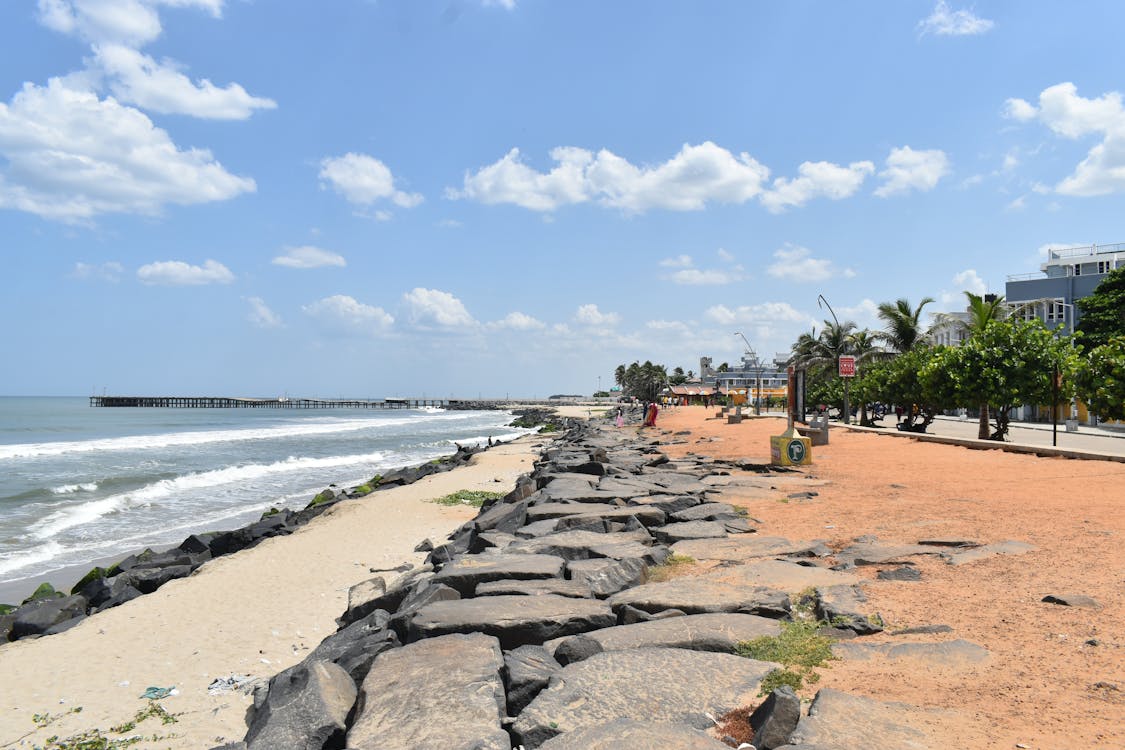
Whitley Bay is arguably the most accessible beach on the North Tyneside coast. The promenade runs the entire length of the bay, offering a smooth, flat surface ideal for wheelchairs, mobility scooters, and walking frames. Dropped kerbs and ramps provide access to the promenade from multiple points.
The beach itself has firm, compacted sand at low tide, making it walkable for most people. Spanish City, the beautifully restored Edwardian building at the south end of the bay, has accessible toilets, a lift, and level access to its cafes and restaurants. There are also accessible public toilets near the southern end of the promenade.
The Tyne and Wear Metro makes Whitley Bay exceptionally easy to reach. Whitley Bay Metro station is a flat, 5-minute walk from the seafront, with lift access at the station.
Tynemouth Longsands
Longsands is one of the most popular beaches in the North East, and access has improved significantly in recent years. The promenade above the beach is fully paved and offers excellent views along the full length of the sand. There are multiple benches along the route and a gentle gradient throughout.
Beach access from the promenade involves steps at most points, though there are ramped access points at the north end and near the swimming pool. The sand is generally firm, particularly at low tide, though it can become soft above the high-tide line.
Tynemouth Metro station is approximately a 10-minute walk from Longsands, mostly on level ground. If you enjoy this stretch of coast, our Tynemouth to Cullercoats coastal walk guide covers the beautiful path connecting Longsands to Cullercoats Bay.
Cullercoats Bay
Cullercoats is a small, sheltered bay between Tynemouth and Whitley Bay. The bay has good access via a sloped path from the village above, and the sand is firm at low tide. The beach is compact, which means you do not need to walk far to enjoy it.
The Cullercoats Watch House and volunteer lifeboat station add character to the bay. There are cafes overlooking the water and public toilets nearby. Cullercoats Metro station is just a few minutes' walk from the bay, making it very accessible by public transport.
Blyth Beach and South Beach
Just north of Whitley Bay, Blyth offers miles of sandy beach with generally good access. South Beach in Blyth has a promenade with ramp access to the sand, and the beach is wide and flat. Facilities include public toilets and cafes nearby.
Blyth is accessible by bus from North Tyneside, and there is parking close to the beach including blue badge spaces. The beach is less crowded than Whitley Bay even in summer, which can make for a more relaxed visit.
Bamburgh Beach
Bamburgh is worth the journey. With Bamburgh Castle towering above it, this beach regularly appears in lists of Britain's best. The beach is vast, the sand is firm, and at low tide you can walk for miles. Access from the car park is via a short path with some steps, though alternative access points are available.
The village has cafes, public toilets, and a good car park with blue badge spaces. Bamburgh is approximately 50 miles from North Tyneside, so it works best as a day trip or a combined visit with other Northumberland attractions.
Seahouses and Beadnell
Further up the Northumberland coast, Seahouses and Beadnell both offer accessible beach experiences. Seahouses has a harbour with flat walking and boat trips to the Farne Islands. The beach to the south has firm sand and is accessible from the harbour area.
Beadnell Bay is a broad sweep of sand that is particularly good for walking at low tide. There is car parking close to the beach, and the sand is generally firm. The village has a pub and a small shop but limited public facilities, so plan accordingly.
Accessible Coastal Path Sections
If you prefer walking along the coast rather than on the beach, several sections of coastal path in the North East are suitable for people with varying mobility:
- Whitley Bay promenade: Fully paved, flat, with regular seating. Extends from Spanish City northward towards St Mary's Lighthouse
- Tynemouth to Cullercoats promenade: Paved clifftop path with benches and gradual inclines. Metro stations at both ends
- South Shields promenade: A wide, flat, paved path along the beach with facilities at both ends
- Roker to Seaburn (Sunderland): A well-maintained promenade with accessible cafes, benches, and sea views
- Holy Island causeway path: Flat and firm when accessible (check tide times carefully). The island itself has limited but improving accessibility
Practical Tips for Accessible Beach Visits
- Check tide times: Beaches are most accessible at low tide when the sand is firm. High-tide beaches can be narrow and soft
- Footwear: Firm-soled shoes work better on sand than flip-flops or sandals. Trainers are ideal
- Wind protection: Coastal wind can be strong. Bring layers even on warm days
- Sun protection: Sea breezes mask sun strength. Apply sunscreen even when it feels cool
- Mobility aids on sand: Wide-wheeled beach wheelchairs are available at some locations - check in advance. Walking poles can help with stability on sand
- Parking: Most coastal car parks have blue badge spaces. Some charge seasonal fees; others are free year-round
- Public transport: The Metro serves Whitley Bay, Cullercoats, and Tynemouth directly. Buses serve Blyth and some Northumberland coastal villages
For a broader view of coastal activities and walking in the area, our Active Living guide covers coastal routes across North Tyneside.
Frequently Asked Questions
Are there beach wheelchairs available at North East beaches?
Some beaches offer beach wheelchair hire, including certain South Tyneside and Sunderland beaches. Availability is growing but not yet widespread in North Tyneside. Check with the local council or beach operator before visiting. The Accessible Countryside for Everyone (ACE) programme also has information on equipment hire.
Which beach is best for someone who uses a walking frame?
Whitley Bay promenade is the best option - it is fully paved, flat, and offers excellent sea views without needing to walk on sand. The promenade at South Shields is similarly suitable. For actual beach walking, low-tide visits to Whitley Bay or Tynemouth provide the firmest sand.
Do I need to worry about tide times?
Yes, particularly at Whitley Bay and Tynemouth where the beach narrows significantly at high tide. At Bamburgh and Beadnell, the beaches are so vast that tide is less of a concern for access. Always check tide times before visiting, especially if you plan to walk on the beach rather than the promenade. The BBC Weather website provides accurate tide times for all North East beaches.