If you have been told your blood pressure is too high, you might wonder whether exercise is safe - or whether it could make things worse. The reassuring truth is that regular physical activity is one of the most effective ways to lower blood pressure naturally. In fact, the NHS and British Heart Foundation both recommend exercise as a first-line approach alongside any medication your GP prescribes. This guide explains how movement helps, which types of exercise work best, and how to get started safely.
How Exercise Lowers Blood Pressure
When you exercise regularly, several things happen inside your body that work together to bring blood pressure down and keep it there.
During exercise, your heart pumps harder and your blood pressure rises temporarily - this is completely normal. But over weeks and months of regular activity, your cardiovascular system adapts in ways that lower your resting blood pressure:
- Your heart becomes more efficient: A stronger heart pumps more blood with less effort, reducing the force on your artery walls
- Blood vessels become more flexible: Regular exercise improves the elasticity of your arteries, allowing them to expand more easily
- Stress hormones decrease: Exercise reduces levels of adrenaline and cortisol, both of which raise blood pressure
- Weight management improves: Losing even a small amount of excess weight can meaningfully reduce blood pressure
- Inflammation reduces: Chronic inflammation stiffens blood vessels; exercise has powerful anti-inflammatory effects
Research from Blood Pressure UK shows that regular exercise can lower systolic blood pressure (the top number) by 5-10 mmHg - comparable to some blood pressure medications. For many people, this can mean the difference between needing medication and managing blood pressure through lifestyle alone.
The Best Types of Exercise for Blood Pressure
All types of exercise can help lower blood pressure, but some have stronger evidence than others. A well-rounded routine includes a mix of the following.
Aerobic Exercise (The Foundation)
Moderate aerobic exercise has the strongest and most consistent evidence for lowering blood pressure. The British Heart Foundation recommends 150 minutes per week - that is just over 20 minutes a day.
- Brisk walking: The most accessible option. Walking fast enough to raise your heart rate but still able to hold a conversation
- Swimming: Excellent for blood pressure because the water pressure helps blood flow return to your heart. See our guide to swimming pools in North Tyneside
- Cycling: Low impact and easy to control intensity, whether outdoors or on a stationary bike
- Dancing: Combines aerobic exercise with social connection and coordination
Resistance Training (Important but Often Overlooked)
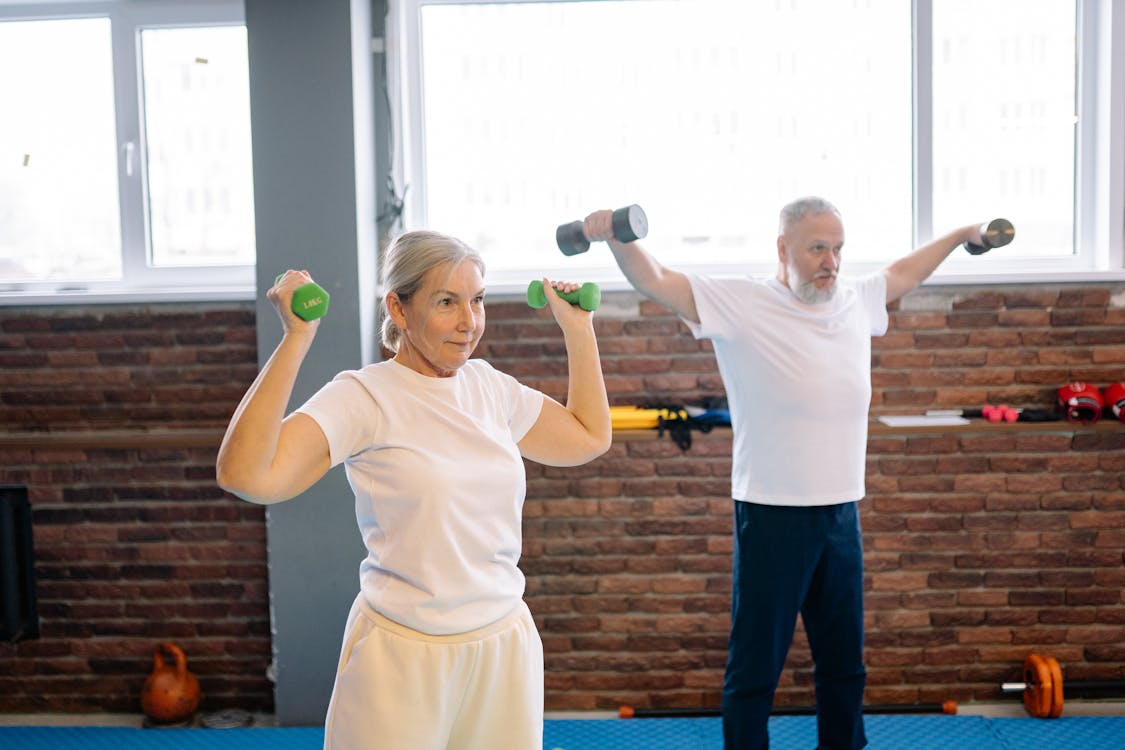
For years, people with high blood pressure were told to avoid resistance training. Current evidence has completely reversed this advice. The British Heart Foundation now states that moderate resistance training is safe and beneficial for people with controlled high blood pressure.
The key guidelines for resistance training with high blood pressure:
- Use moderate weights - you should be able to complete 10-15 repetitions without straining
- Never hold your breath during lifting (this spikes blood pressure temporarily)
- Breathe out during the effort phase, in during the return
- Avoid heavy maximal lifts and isometric exercises (sustained holding)
- Rest for 60-90 seconds between sets
For a complete introduction to resistance training, see our strength training guide for over 50s.
Flexibility and Relaxation
While stretching alone does not significantly lower blood pressure, activities that combine gentle movement with relaxation can help:
- Yoga: Combines stretching, strength, and breathing techniques that reduce stress hormones
- Tai chi: Gentle flowing movements with proven blood pressure benefits, particularly after 50
- Deep breathing exercises: Even 5 minutes of slow, controlled breathing can temporarily lower blood pressure
Exercising Safely with High Blood Pressure
Exercise is safe for most people with high blood pressure, but a few precautions help you get the most benefit with the least risk.
Before You Start
- Chat with your GP: Especially important if your blood pressure is above 180/110 mmHg, if you have other heart conditions, or if you are starting from a sedentary lifestyle
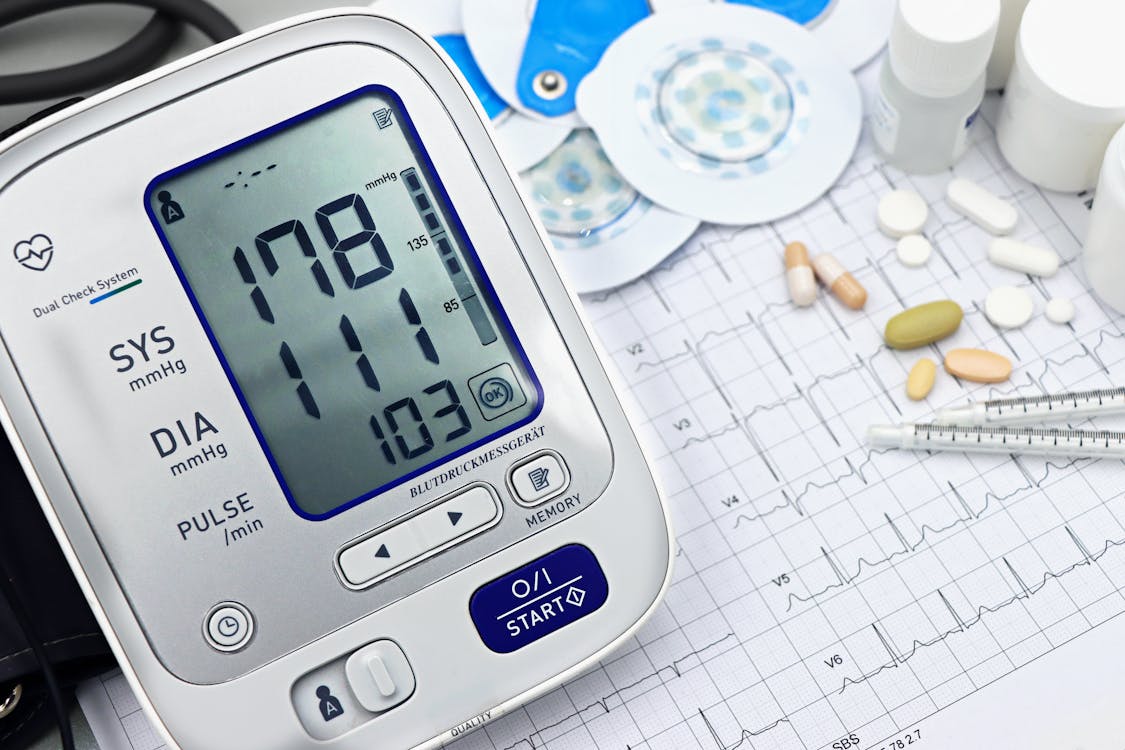
- Know your numbers: Check your blood pressure at rest before exercising. If it is above 180/110, postpone exercise and contact your GP
- Understand your medication: Some blood pressure medications can cause dizziness, especially when changing position quickly. Ask your GP about any exercise-related side effects
During Exercise
- Warm up gradually: Start with 5 minutes of gentle movement to let your heart rate rise slowly
- Use the talk test: You should be able to hold a conversation during moderate exercise. If you cannot, slow down
- Avoid breath-holding: This is particularly important during resistance training, as holding your breath causes sharp blood pressure spikes
- Stay hydrated: Dehydration can raise blood pressure. Drink water before, during, and after exercise
- Cool down properly: Spend 5 minutes slowing down gradually rather than stopping suddenly
When to Stop
Stop exercising and seek medical attention if you experience:
- Chest pain, tightness, or pressure
- Severe shortness of breath
- Dizziness or feeling faint
- An irregular heartbeat that does not settle
- Severe headache during exercise
These symptoms are uncommon during moderate exercise, but knowing what to watch for helps you exercise with confidence.
Monitoring Your Blood Pressure and Progress
Tracking your blood pressure alongside your exercise routine helps you see the impact of your efforts and gives your GP valuable information.
- Invest in a home blood pressure monitor: Blood Pressure UK recommends clinically validated monitors. Take readings at the same time each day for consistency
- Check before and after exercise: Your blood pressure will be higher immediately after exercise, then drop below pre-exercise levels for several hours (called post-exercise hypotension)
- Track weekly averages: Day-to-day readings vary naturally. Weekly averages give a clearer picture of your trend
- Share your records with your GP: Home readings combined with exercise records help your GP make better treatment decisions
Most people see meaningful blood pressure improvements within 4-6 weeks of regular exercise. Some people find they can reduce medication with their GP's guidance as their fitness improves.
Getting Started: A Practical First Week
If you are currently inactive, here is a gentle way to begin. The goal is consistency, not intensity.
| Day | Activity | Duration |
|---|---|---|
| Monday | Brisk walk | 15 minutes |
| Tuesday | Gentle stretching or yoga | 10 minutes |
| Wednesday | Brisk walk | 15 minutes |
| Thursday | Rest or gentle movement | As desired |
| Friday | Brisk walk | 15 minutes |
| Weekend | Active leisure (gardening, swimming, cycling) | 20-30 minutes |
Each week, add 2-3 minutes to your walks or introduce a new activity. By week 4, aim for 20-minute walks and consider adding a resistance training session. For more guidance on exercising with health conditions, see our complete guide to exercise as medicine.
Frequently Asked Questions
Can exercise replace blood pressure medication?
For some people with mildly elevated blood pressure, regular exercise and lifestyle changes can bring readings into the normal range without medication. However, you should never stop or change medication without your GP's guidance. Many people find their GP can reduce their dose over time as fitness improves. Exercise and medication work well together - they are not an either/or choice.
Is it safe to exercise if my blood pressure is very high?
If your resting blood pressure is above 180/110 mmHg (stage 3 hypertension), you should get medical advice before starting an exercise programme. For most people with stage 1 or stage 2 hypertension (below 180/110), moderate exercise is safe and recommended by the NHS and British Heart Foundation. Always discuss your specific situation with your GP.
Will my blood pressure spike during exercise?
Yes, blood pressure rises temporarily during exercise - this is completely normal and safe for most people. It typically returns to baseline within an hour after exercise and then drops below pre-exercise levels for several hours. Over time, regular exercise lowers your resting blood pressure. The temporary rise during moderate exercise is not harmful for people with controlled hypertension.
How long does it take for exercise to lower blood pressure?
Most people see measurable improvements within 4-6 weeks of regular moderate exercise (at least 150 minutes per week). Some people notice changes even sooner. The blood pressure lowering effect of each individual exercise session lasts 12-24 hours, which is why consistency matters more than intensity. Regular daily activity provides the most sustained benefit.
References
- British Heart Foundation. High blood pressure. bhf.org.uk
- NHS. High blood pressure (hypertension). nhs.uk
- Blood Pressure UK. Get active to lower your blood pressure. bloodpressureuk.org
- NICE. Hypertension in adults: diagnosis and management. nice.org.uk