Gardening is one of the most rewarding physical activities available, combining fresh air, creativity, gentle exercise, and a genuine sense of accomplishment. Yet many adults over 50 find that gardening aggravates their joints, back, or knees, and some give it up entirely. That is a loss worth preventing. With the right techniques, tools, and preparation, you can enjoy your garden without the aches and stiffness that sometimes follow a day's work outside.
The stretches and mobility principles in our flexibility and mobility guide apply directly to gardening, where bending, reaching, kneeling, and carrying are part of every session.
Gardening Is Genuine Exercise
Do not underestimate gardening as physical activity. The NHS recognises gardening as moderate-intensity exercise, equivalent to a brisk walk. Activities like digging, raking, weeding, and carrying pots engage your legs, core, back, arms, and grip in a variety of movement patterns. An hour of gardening can burn as many calories as an hour of gentle cycling.
The therapeutic charity Thrive highlights that gardening also benefits mental wellbeing, reducing stress and improving mood through a combination of physical activity, nature exposure, and the satisfaction of nurturing living things. For adults over 50, gardening can be a core part of a physically active lifestyle.
Preparing Your Body: Before You Start Gardening
Gardening often involves sustained positions and repetitive movements. A brief warm-up makes a significant difference to how your body responds.
- 5-minute walk: A gentle walk around the garden warms your muscles and prepares your joints for activity.
- Shoulder circles: 10 forward, 10 backward. Loosens the shoulders for reaching and digging.
- Gentle squats: 5-10 supported squats (holding a fence or wall) warm up your legs and hips for bending and kneeling.
- Spinal rotations: Standing with feet hip-width apart, gently rotate your torso left and right 5 times each way. This prepares your back for the twisting movements common in gardening.
- Wrist circles: 10 circles in each direction. Your hands and wrists work hard during gardening, and a brief warm-up helps prevent strain.
Our morning stretching routine is also an excellent foundation before a gardening session, especially if you are gardening in the morning when joints tend to be stiffer.
Ergonomic Gardening Techniques
How you garden matters as much as what you garden. These techniques protect your joints and back while allowing you to enjoy every aspect of the work.
Bending and Lifting
- Bend at the knees and hips, not the waist, when reaching low. Your leg muscles are far stronger than your lower back.
- When lifting pots, compost bags, or tools, hold them close to your body. The further an object is from your centre, the more strain on your back.
- Avoid twisting while lifting. Turn your feet to face the direction you want to go, rather than rotating your spine.
Kneeling
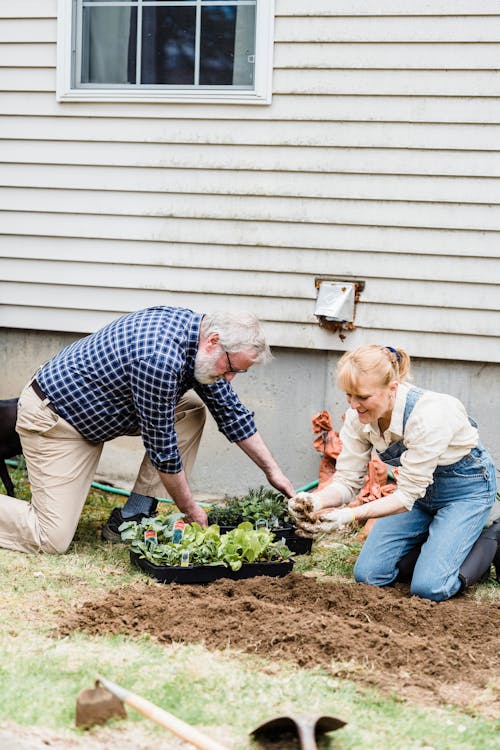
- Use a thick kneeling pad or a gardening kneeler with handles. This cushions your knees and provides support for standing up.
- Alternate between kneeling, sitting on a low stool, and standing to avoid sustained pressure on any one joint.
- When standing from kneeling, use both hands on the kneeler handles or a nearby surface for support. Rise one leg at a time.
Reaching and Digging
- Use long-handled tools to reduce the need to bend or stretch. Extending your reach reduces strain on your back and shoulders.
- When digging, push the spade in with your foot and use your body weight rather than arm strength. Lift small amounts rather than large, heavy spadefuls.
- Switch hands regularly when using tools like secateurs, trowels, and rakes. This prevents overloading one side of your body.
Adaptive Tools That Make a Difference
Garden tool design has improved enormously, with many tools now specifically designed for comfort and ease of use.
- Long-handled tools: Extended-reach weeding tools, trowels, and forks allow you to garden while standing or from a raised position.
- Ergonomic grips: Tools with padded, angled handles reduce strain on your wrists and hands. Look for tools certified by arthritis charities.
- Kneeling stools: A combined kneeler and seat with side handles provides a stable surface for kneeling and support for getting up.
- Lightweight hoses and watering systems: Drip irrigation and lightweight hoses with adjustable nozzles reduce the need to carry heavy watering cans.
- Raised beds: Gardening at waist height eliminates bending entirely. Raised beds also produce excellent yields in a concentrated space.
The Royal Horticultural Society and Thrive both offer guides to accessible gardening tools and techniques, including detailed advice on raised bed construction and adaptive equipment.
Pacing: The Art of Sustainable Gardening
The single most effective strategy for pain-free gardening is pacing. Your garden will still be there tomorrow, so there is no need to do everything in one session.
- Set a timer: Work for 20-30 minutes, then take a 10-minute break to stretch and rest. This prevents the build-up of fatigue that causes next-day stiffness.
- Vary your tasks: Alternate between activities that use different body parts. Follow 20 minutes of weeding (lower body focus) with 10 minutes of light pruning (upper body focus).
- Know your limits: If something starts to ache, that is your body's signal to change activity or take a break. Pushing through discomfort today usually means more pain tomorrow.
- Spread big jobs across days: A major garden tidy-up done across several shorter sessions is far kinder to your body than one marathon effort.
After Gardening: Cool-Down and Recovery
- Gentle stretch: Spend 5 minutes stretching your back, shoulders, legs, and hands. Focus on the areas that worked hardest.
- Warm shower or bath: Warmth helps muscles relax and can prevent next-day stiffness.
- Hydrate: Drink plenty of water, especially after warmer-weather gardening.
- Rest: Give your body time to recover, especially after longer sessions. If you experience persistent pain, our chronic pain and movement guide offers strategies for managing discomfort while staying active.
Frequently Asked Questions
Is gardening good exercise for over 50s?
Yes. The NHS classifies gardening as moderate-intensity physical activity. An hour of active gardening (digging, weeding, raking) burns similar calories to a brisk walk and engages multiple muscle groups. Regular gardening also improves flexibility, grip strength, and mental wellbeing.
What is the best way to avoid back pain from gardening?
Warm up before gardening, bend from the knees and hips (not the waist), use long-handled tools to reduce bending, alternate between tasks every 20-30 minutes, and stretch afterwards. Raised beds eliminate bending entirely for many gardening tasks.
Should I garden if I have arthritis?
Gardening can be beneficial for people with arthritis because it provides gentle, varied exercise that maintains joint mobility and muscle strength. Use ergonomic tools, pace yourself, garden during warmer parts of the day when joints are typically less stiff, and choose the tasks that feel most comfortable. Versus Arthritis recommends gardening as an enjoyable way to stay active.
References
- Thrive. Gardening for health resources. thrive.org.uk
- NHS. Back pain - Prevention. nhs.uk
- Royal Horticultural Society. Health and wellbeing. rhs.org.uk