Good posture is not about standing to attention like a soldier. It is about aligning your body so that your muscles, joints, and spine work efficiently with minimal strain. If you have noticed rounded shoulders, a forward head position, or a tendency to slouch, you are not alone. These are among the most common postural changes after 50, and all of them respond well to targeted exercises. This guide gives you six practical exercises that address the most common posture issues, plus strategies for maintaining better posture throughout your day.
Posture connects directly to the mobility and flexibility principles covered in our flexibility and mobility guide, because good posture is the foundation for comfortable, efficient movement.
Why Posture Changes After 50
Posture is maintained by a balance between opposing muscle groups. When certain muscles become tight and others become weak, your body gradually shifts out of its optimal alignment. Several factors contribute to these changes after 50.
- Desk and screen time: Hours spent at a computer, phone, or tablet encourage a forward head position and rounded shoulders. Over years, these positions can become your default posture.
- Reduced activity: Muscles that are not regularly used lose strength. The upper back muscles that pull your shoulders back are particularly prone to weakness.
- Disc changes: Spinal discs gradually lose some of their height with age, which can contribute to a more curved upper back. However, muscle strengthening can counteract much of this effect.
- Habit: Posture is partly a habit. If you have spent years in a particular position, your body has adapted to that shape. Changing the habit requires conscious effort initially, but becomes automatic with practice.
The NHS emphasises that poor posture contributes to back pain, neck pain, headaches, and reduced breathing capacity. Improving your posture can relieve existing discomfort and prevent future problems. The Chartered Society of Physiotherapy confirms that posture-specific exercises produce measurable improvements in alignment and pain reduction.
Simple Posture Self-Assessment
Stand with your back against a wall, heels about 5 centimetres from the wall. Let your body rest naturally against the wall and check:
- Head: Does the back of your head touch the wall naturally, or does it sit forward? If your head does not touch the wall, you likely have a forward head posture.
- Shoulders: Do both shoulder blades touch the wall, or do your shoulders round forward? Rounded shoulders are the most common postural issue.
- Lower back: You should be able to slide your hand between your lower back and the wall. If the gap is much larger than a hand, you may have an excessive lower back curve. If there is no gap, your lower back may be too flat.
This quick check gives you a baseline. Repeat it monthly to track your progress as you work through the exercises below.
6 Exercises for Better Posture
These exercises target the specific muscles that support good posture. Perform them daily for the best results. The routine takes approximately 15 minutes.
1. Chin Tucks
Sit or stand tall. Without tilting your head up or down, gently draw your chin straight back as if making a double chin. Hold for 5 seconds, then relax. Perform 10 repetitions. You should feel a gentle stretch at the base of your skull and along the back of your neck.
Targets: Forward head posture. Strengthens the deep neck flexors that hold your head in its optimal position over your spine.
2. Wall Angels
Stand with your back against a wall, feet shoulder-width apart and slightly away from the wall. Press the back of your head, upper back, and arms against the wall. With arms bent at 90 degrees (like a goalpost position), slowly slide your arms up the wall as far as comfortable, then back down. Perform 10 repetitions.
Targets: Rounded shoulders. Strengthens the muscles between your shoulder blades while stretching the chest muscles that pull your shoulders forward.
3. Doorway Chest Stretch
Stand in a doorway with your arms on the door frame at shoulder height, elbows bent at 90 degrees. Step one foot forward through the doorway until you feel a stretch across your chest and the front of your shoulders. Hold for 20-30 seconds. Repeat 3 times.
Targets: Tight chest muscles that pull shoulders forward. This stretch counteracts the effects of desk work and driving.
4. Seated Row (Resistance Band)
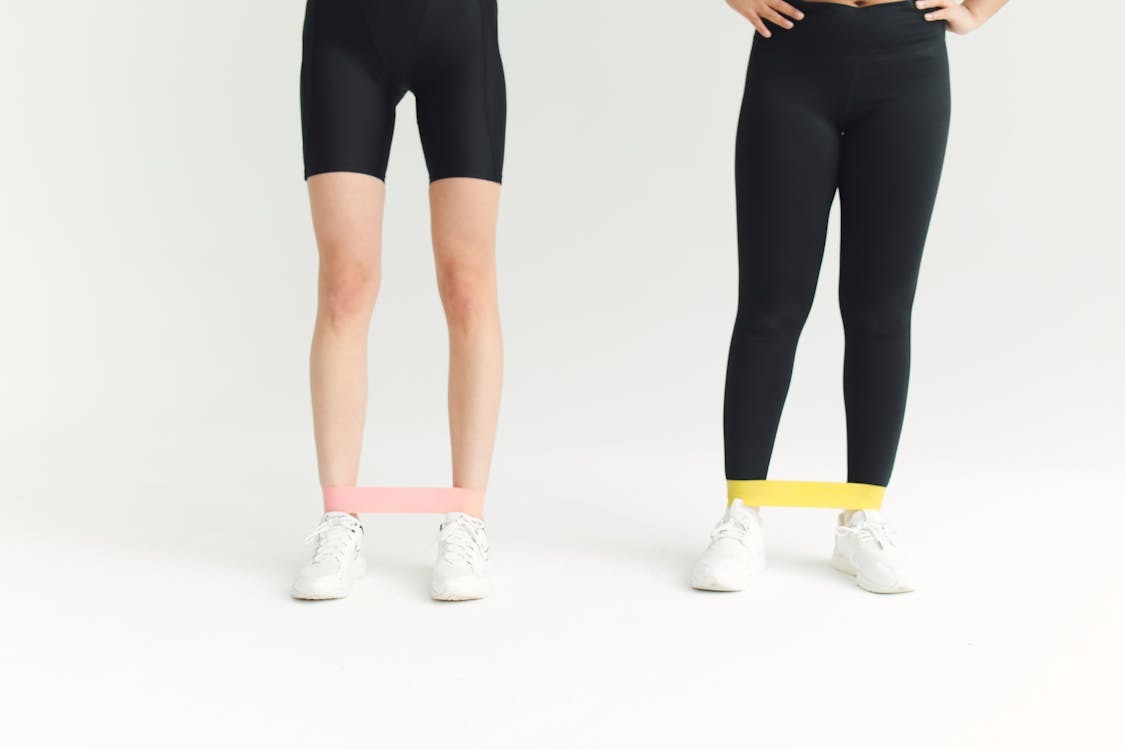
Sit on a chair with a resistance band looped around your feet. Hold both ends and pull the band toward your ribcage, squeezing your shoulder blades together at the end of the movement. Hold for 2 seconds, then release slowly. Perform 12-15 repetitions.
Targets: Weak upper back muscles. Strengthens the rhomboids and middle trapezius that hold your shoulder blades in the correct position.
5. Cat-Cow Stretch
On your hands and knees (or seated if preferred), slowly arch your back, lifting your chest and looking slightly upward (cow). Then round your spine, tucking your chin and pulling your belly button toward your spine (cat). Alternate slowly for 10 repetitions, coordinating the movement with your breathing.
Targets: Spinal mobility. This exercise mobilises the entire spine and helps counteract the stiffness that accompanies sustained postures.
6. Prone Y Raise
Lie face down on a bed or mat with your arms extended forward in a Y shape (slightly wider than shoulder-width). Lift both arms a few centimetres off the surface, squeezing your shoulder blades together. Hold for 5 seconds, then lower. Perform 10 repetitions. You do not need to lift high; the squeeze between the shoulder blades is what matters.
Targets: Upper back weakness. This exercise specifically strengthens the lower trapezius muscles that support the shoulder blades in their correct resting position.
Maintaining Posture Throughout the Day
Exercises build the muscular foundation for good posture, but awareness during daily activities locks in the improvements.
- Screen position: Position your computer screen at eye level so you are not looking down. Hold your phone at chest height rather than in your lap.
- Sitting: Sit with your feet flat on the floor, back supported, and shoulders relaxed. Avoid crossing your legs for extended periods. Set a timer to remind yourself to check your posture every 30 minutes.
- Driving: Adjust your seat so your knees are slightly lower than your hips and your head rests comfortably against the headrest. Your arms should be slightly bent when holding the steering wheel.
- Standing: Distribute your weight evenly through both feet. Imagine a string gently pulling the top of your head toward the ceiling. This simple visualisation encourages natural, upright alignment.
- Movement breaks: No posture is perfect if held for too long. Take a brief movement break every 30-45 minutes to walk, stretch, or simply change position.
Strong core muscles provide the stability foundation for good posture. Our core strength guide covers exercises that build the deep stabilising muscles of the trunk, and our upper body strength guide includes additional exercises for the back and shoulders.
Posture and Breathing: The Hidden Connection
Poor posture compresses your ribcage, reducing the space available for your lungs to expand. This means shallower breathing, less oxygen delivery, and greater fatigue. Improving your posture literally gives your lungs more room, which translates to more energy, better endurance during exercise, and improved recovery between efforts.
Try this: slouch forward and take a deep breath. Then sit up tall, shoulders back, and take another deep breath. The difference in lung capacity is immediately noticeable. This is one of the quickest and most motivating benefits of posture improvement.
Frequently Asked Questions
Can posture really improve after years of slouching?
Yes. While longstanding postural habits take time to change, your muscles and joints respond to targeted exercise at any age. Most people notice improvements in posture and associated discomfort within 4-6 weeks of daily exercise. The changes are gradual but cumulative, and many people find that improved posture becomes their new default over time.
Is poor posture causing my back pain?
Poor posture is one of the most common contributors to back and neck pain. Sustained poor alignment places uneven strain on muscles, ligaments, and joints, leading to discomfort. However, back pain can have multiple causes. If posture exercises do not improve your pain within a few weeks, or if pain is severe or worsening, speak with your GP or physiotherapist.
How often should I do posture exercises?
Daily practice produces the best results. The six exercises above take approximately 15 minutes and can be done at any time. If daily practice is not possible, aim for at least 4-5 times per week. Consistency is more important than duration, as your muscles need regular reminders of the correct positions.
References
- NHS. Common posture mistakes and fixes. nhs.uk
- Chartered Society of Physiotherapy. Posture. csp.org.uk
- BackCare. Posture advice. backcare.org.uk