Living with chronic pain can feel like being caught in a difficult cycle: pain makes you move less, moving less makes pain worse, and the whole thing spirals. If this sounds familiar, you are not alone - and there is genuine, evidence-based hope. Gentle movement is now recognised by the NHS and pain specialists as one of the most effective tools for managing chronic pain. Not pushing through pain, not ignoring it, but working with your body through carefully chosen movement that helps break the cycle and gives you back control.
Why Movement Helps Chronic Pain
It might seem contradictory - why would movement help when it is movement that often hurts? The answer lies in how chronic pain works in your body and brain.
Chronic pain is different from acute pain. Acute pain is a straightforward warning signal - you touch something hot, you feel pain, you move your hand. Chronic pain is more complex. Over time, your nervous system can become sensitised, amplifying pain signals even when there is no ongoing tissue damage. This is not imagined pain - it is real, but its cause is a sensitive nervous system rather than ongoing injury.
Gentle movement helps by:
- Desensitising your nervous system: Regular, gentle movement teaches your brain that movement is safe, gradually reducing the pain response
- Releasing natural pain relief: Exercise triggers the release of endorphins - your body's own painkillers - which can reduce pain for hours after activity
- Improving blood flow: Better circulation delivers oxygen and nutrients to tissues and helps remove waste products that contribute to pain
- Maintaining muscle strength: Weak muscles place more stress on joints and tendons, increasing pain. Gentle strengthening reduces this
- Improving sleep: Chronic pain disrupts sleep; regular gentle exercise improves sleep quality, which in turn reduces pain sensitivity
- Boosting mood: Pain and low mood often go hand in hand. Movement improves mood, which changes how you experience pain
The NICE guidelines for chronic pain specifically recommend physical activity and exercise as a core treatment approach, alongside any medication your GP prescribes.
The Pacing Principle: Your Most Important Tool
Pacing is the foundation of exercising with chronic pain. It means finding the right level of activity - not too much, not too little - and building from there. Pain Concern, the UK's leading chronic pain charity, describes pacing as "doing a consistent amount of activity each day, rather than doing too much on good days and too little on bad days."
How Pacing Works
- Find your baseline: This is the amount of activity you can do on a bad day without making your pain significantly worse. Start here, even if it seems very small
- Be consistent: Do this amount every day, regardless of whether it is a good or bad pain day
- Increase gradually: Add small amounts (perhaps 1-2 minutes) every 1-2 weeks. The increases should be so small they barely feel different
- Do not make up for lost time: If you miss a day, simply resume at your usual level. Do not try to catch up
- Plan rest breaks: Take breaks before pain forces you to stop, not after. This is proactive rest, not reactive collapse
Pacing might feel frustratingly slow at first, but it builds a sustainable foundation. Many people find they achieve far more over weeks and months with pacing than they ever did with the boom-and-bust approach of overdoing it on good days.
A Movement Routine for Chronic Pain
This routine is designed to be accessible on most days, including days when pain is higher. Start with the time and effort level that feels manageable for you - even 5 minutes counts. You can do these exercises seated or standing, depending on what works best for your body.
Step 1: Breathing and Body Scan (2 minutes)
Sit or lie comfortably. Close your eyes if you wish. Take 5 slow, deep breaths - in through your nose for 4 counts, out through your mouth for 6 counts. As you breathe, notice how your body feels today without judging it. This activates your parasympathetic nervous system, which helps reduce pain sensitivity.
Step 2: Neck and Shoulder Rolls (2 minutes)
Slowly roll your shoulders backwards 5 times, then forwards 5 times. Then gently turn your head to look over each shoulder, holding for 5 seconds each side. Finally, tilt your ear towards each shoulder. Move within a comfortable range - do not push into pain.
Step 3: Seated or Standing Marching (2 minutes)
Lift your knees alternately in a gentle marching movement. If standing, hold a worktop for balance. If seated, lift your feet just off the floor. The movement does not need to be big - any rhythmic leg movement keeps your joints mobile and blood flowing.
Step 4: Arm Circles (2 minutes)
Extend your arms to the sides (or as far as comfortable). Make small circles forwards 10 times, then backwards 10 times. Gradually make the circles bigger if it feels comfortable. Lower your arms and rest for a moment before continuing.
Step 5: Seated Spine Twist (2 minutes)
Sit upright in a chair with your feet flat on the floor. Place your right hand on your left knee and gently rotate your upper body to the left, looking over your left shoulder. Hold for 10 seconds, breathing normally. Return to centre and repeat on the other side. This maintains spinal mobility without loading.
Step 6: Easy Walking (5 minutes)
Walk at whatever pace feels comfortable - around your home, garden, or neighbourhood. The goal is movement, not speed or distance. If 5 minutes feels too much today, walk for 2 minutes and build up. Walking is one of the best-evidenced exercises for chronic pain management.
This routine takes approximately 15 minutes but can be shortened to match your capacity. As you build confidence, you might add gentle resistance exercises. For adapted options, see our guide to chair exercises. For more on how exercise helps manage health conditions, visit our guide to exercise principles for health conditions.
Types of Exercise That Help
Different types of exercise suit different people and different types of chronic pain. Finding what works for you is a personal journey, but these options have good evidence behind them.
Walking
The simplest and most accessible option. Start with whatever distance you can manage comfortably and build gradually. Walking in nature has additional benefits for mood and pain perception. Explore local options with our guide to active living in the North East.
Swimming and Water-Based Exercise
Water supports your body weight, reducing joint loading by up to 90%. The warmth of a heated pool can also soothe pain. Many people find they can move more freely in water than on land.
Tai Chi and Yoga
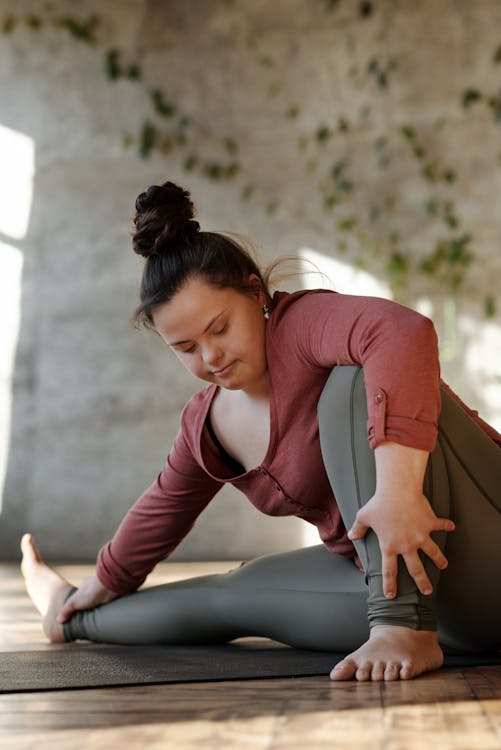
Both combine gentle movement with breathing and mindfulness, addressing the physical and psychological aspects of chronic pain. Look for classes specifically designed for people with pain conditions or limited mobility.
Light Resistance Training
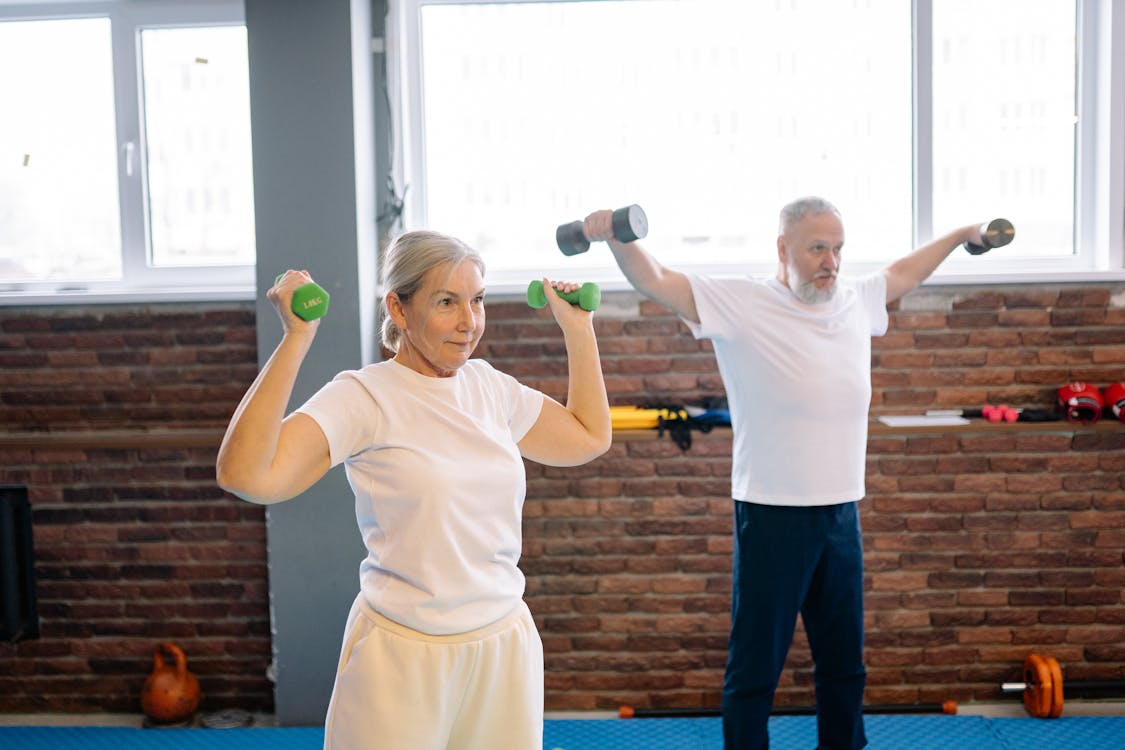
Light resistance exercises strengthen the muscles that support painful joints and improve overall function. Start with bodyweight exercises or very light resistance bands. Our resistance bands guide offers a gentle introduction.
Managing Flare-Ups
Pain flare-ups are a normal part of living with chronic pain. They do not mean you have damaged something or that exercise is making things worse. Here is how to handle them.
- Reduce activity but do not stop completely: Drop back to a level of movement that feels manageable. Complete rest often makes pain worse
- Use your pain management tools: Heat packs, cold packs, medication, breathing exercises - whatever your toolkit includes
- Be kind to yourself: Flare-ups are not failures. They are part of the process
- Return to your baseline: Once the flare settles, go back to your usual activity level rather than trying to make up for lost time
- Keep a diary: Tracking activity, pain levels, and flare-ups helps you identify patterns and adjust your approach
Building Your Support Network
Managing chronic pain is easier with support. Consider these resources:
- Your GP: Can refer you to pain management services, physiotherapy, or exercise programmes
- Pain management programmes: The NHS offers structured programmes that combine exercise, psychology, and education
- Group exercise classes: Exercising with others who understand chronic pain reduces isolation and provides motivation
- Charities: Pain Concern offers a helpline (0300 123 0789) and online resources for people living with chronic pain
Frequently Asked Questions
Will exercise make my chronic pain worse?
It is normal to feel some discomfort when you start moving more, but this usually settles within 24-48 hours and does not mean you have caused damage. The key is starting at a level your body can manage (your baseline) and increasing very gradually. Research consistently shows that appropriate exercise reduces chronic pain over time, even though it might feel counterintuitive at first.
How much exercise should I do with chronic pain?
Start with whatever amount you can do on a bad day without significantly increasing your pain. This might be 5 minutes of gentle movement, or it might be 20 minutes - it is personal to you. The goal is consistency rather than duration. Even very small amounts of regular movement are more beneficial than occasional longer sessions followed by days of rest.
What if I have a flare-up after exercising?
Flare-ups happen and do not necessarily mean you have overdone it. Reduce your activity to a manageable level but avoid stopping completely, as complete rest often makes pain worse. Use your usual pain management strategies and return to your normal baseline once the flare settles. If flare-ups happen regularly after exercise, discuss adjusting your programme with your GP or physiotherapist.
Is it better to exercise on good days and rest on bad days?
This is the most common mistake people with chronic pain make. The boom-and-bust pattern (doing lots on good days, nothing on bad days) actually increases pain sensitivity over time. Pacing - doing a consistent amount every day regardless of pain levels - is far more effective. You might do slightly less on bad days, but try to maintain some gentle movement every day.
References
- NHS. Chronic pain. nhs.uk
- NICE. Chronic pain: assessment and management. nice.org.uk
- Pain Concern. Moving and chronic pain. painconcern.org.uk
- Versus Arthritis. Managing your pain. versusarthritis.org