Knowing how to get up from the floor safely is one of the most valuable physical skills you can have. Whether you need to get down to floor level to play with grandchildren, retrieve a dropped item, or recover after a fall, the technique is the same. And like any skill, it improves with practice. This guide teaches you a safe, step-by-step method for getting up from the floor, along with exercises that make the movement easier and more confident.
Getting up from the floor safely is an essential part of fall prevention and recovery, because knowing you can get up removes a significant source of anxiety about falls.
Why This Skill Matters
Research from Age UK shows that fear of not being able to get up is one of the main reasons adults over 50 avoid certain activities or places. This fear is understandable, but it can lead to a cycle of reduced activity, reduced strength, and increased actual difficulty. Learning and practising the technique breaks this cycle.
Even if you have never had a fall, practising getting up from the floor maintains the full-body strength, coordination, and confidence that supports active, independent living. It is also a remarkably good exercise in its own right, working your legs, core, and arms in a coordinated movement pattern.
The Safe Floor-to-Standing Technique
This technique works whether you are getting up by choice or after a fall. Practise it in a safe environment first, with a sturdy chair nearby for support.
Step 1: Roll onto Your Side
If you are lying on your back, bend one knee and use it to roll onto your side. Take a moment here to catch your breath and check that you are not injured. If you have fallen, check for pain before trying to move further.
Step 2: Get onto All Fours
From your side, push yourself up using your arms until you are on your hands and knees. Take your time with this step. If needed, rest on your forearms first before pushing up to full hands-and-knees position.
Step 3: Crawl to Sturdy Furniture
If you are not already next to a sturdy piece of furniture (a sofa, chair, or bed), crawl slowly toward one. You need something solid to push against as you stand. Ensure the furniture will not slide away from you.
Step 4: Bring One Foot Forward
Place your hands on the furniture surface. Bring one foot forward so it is flat on the floor in front of you, knee bent. You should now be in a half-kneeling position with your hands on the furniture.
Step 5: Push to Standing
Push through your front foot and your hands on the furniture to lift yourself to standing. Move steadily rather than rushing. Once standing, hold the furniture for a moment to ensure you feel steady before walking.
What to Do If You Cannot Get Up
If you have fallen and cannot get up, it is important to stay calm and take the right steps.
- Call for help: If you have a phone within reach, call someone. If you have a personal alarm, press it. If neither is available, call out or bang on the floor to alert neighbours.
- Keep warm: If you may be on the floor for a while, pull a blanket, coat, or rug over you if possible. Floor surfaces draw heat from your body quickly.
- Move to avoid pressure injuries: If you are on the floor for an extended period, try to shift your position every 30 minutes to prevent pressure on one area.
- Stay calm: Being unable to get up can feel frightening, but help will come. Focus on staying warm and comfortable while you wait.
Exercises That Make Getting Up Easier
Regular practice of these exercises builds the specific strength needed for the floor-to-standing movement.
- Practise the technique: The single best exercise is to practise getting down to the floor and back up, using the technique above, 2-3 times per week. Start with a chair right beside you for support and gradually reduce how much you rely on it.
- Sit-to-stand from a low surface: Practise standing from progressively lower seats. Start from a normal chair, then try a low stool, then a stack of cushions on the floor.
- Quadriceps strength: Strong thighs are essential for pushing yourself up. Supported squats, sit-to-stands, and chair-based leg exercises all build the necessary strength.
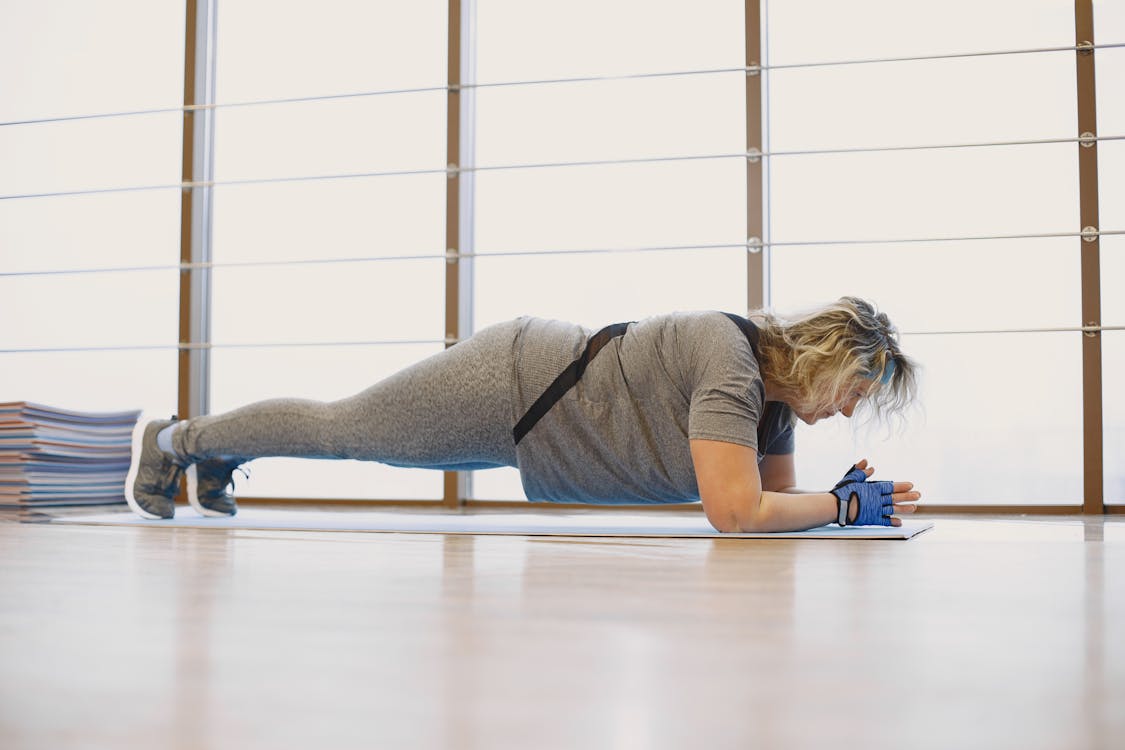
- Core strength: Your core stabilises you during the transition from floor to standing. Planks (modified as needed), seated knee lifts, and gentle rotational exercises help build this foundation.
- Arm strength: Your arms push against the furniture during the technique. Wall push-ups and seated arm exercises build the upper body strength you need.
Building Confidence: Reducing Fear of Falls
Practising the floor-to-standing technique has a powerful psychological benefit: it removes the unknown. When you know you can get up, the fear of being stuck on the floor diminishes significantly. This confidence often leads to increased activity, which further improves your strength and balance.
Our fall prevention and balance confidence guide covers additional strategies for building both physical and mental confidence around falls and balance. Combining the floor technique with regular balance exercises creates a comprehensive approach to confident, independent living.
Frequently Asked Questions
What if I cannot get onto all fours?
If getting onto all fours is too difficult, you can shuffle on your bottom toward a sturdy piece of furniture. Turn to face it, place both hands on the seat, and push yourself up from there. This modified approach still gets you to standing safely. Building leg and arm strength over time will make the standard technique more accessible.
Should I practise getting up from the floor regularly?
Yes. Like any physical skill, getting up from the floor improves with practice. Aim to practise 2-3 times per week in a safe environment with a chair nearby. Many people include it as part of their regular exercise routine. The more familiar the movement feels, the more confident you will be if you ever need it unexpectedly.
I have had a fall and am worried about falling again. What should I do?
Speaking with your GP is a good first step. They can assess whether any medical factors contributed to your fall and refer you to a falls prevention programme or physiotherapist. Building strength and balance through exercise, combined with a home safety review, significantly reduces the risk of future falls. Our fall prevention guide covers both approaches.
References
- NHS. Falls. nhs.uk
- Age UK. Falls prevention. ageuk.org.uk
- Chartered Society of Physiotherapy. Exercise advice. csp.org.uk