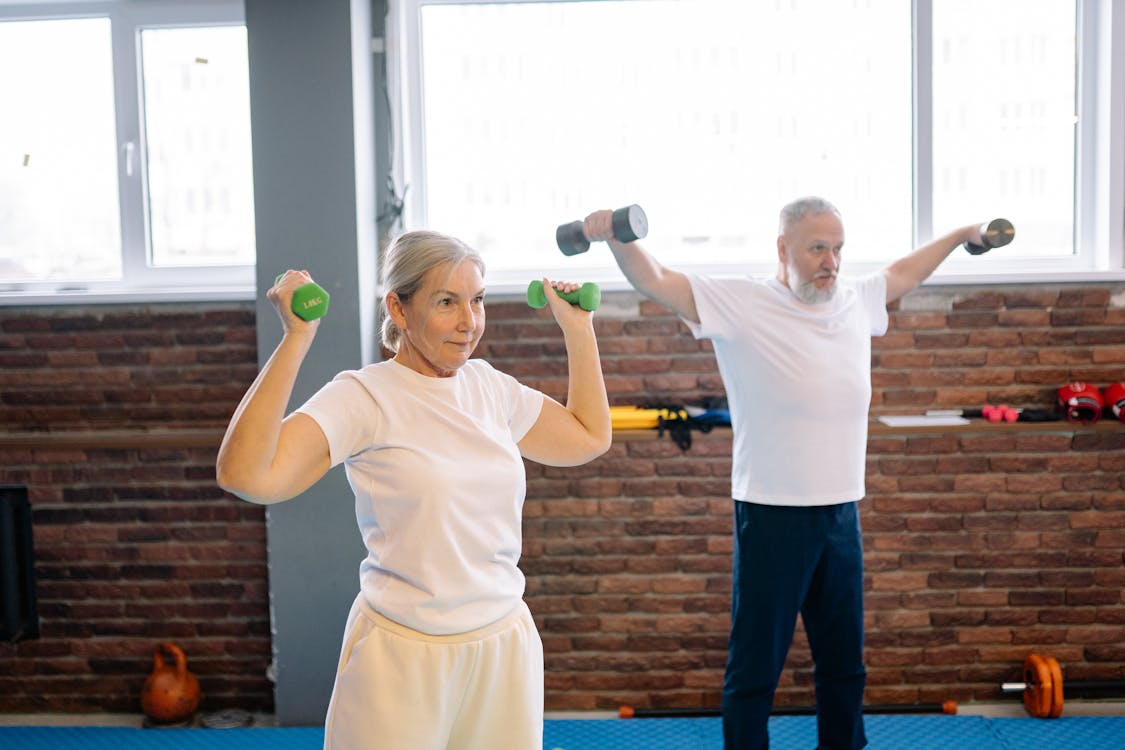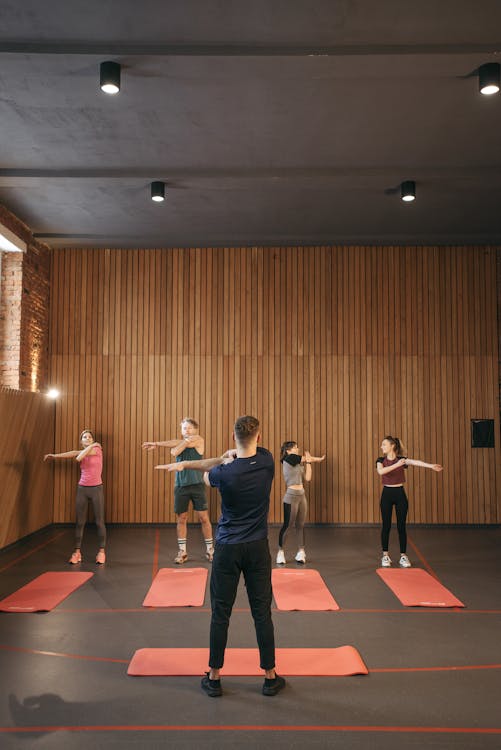
We talk a lot about the physical benefits of exercise - stronger muscles, better balance, healthier hearts. But for many people over 50, the most transformative benefit of regular physical activity is what it does for your mind. Whether you are dealing with low mood, anxiety, loneliness, or simply want to stay sharp as you age, the evidence for exercise as a mental health tool is remarkable. This guide explores exactly how movement supports your mental wellbeing and practical ways to get those benefits into your life.
Exercise and Depression: What the Evidence Shows
Depression affects a significant number of adults over 50, yet it is often overlooked or dismissed as a normal part of ageing. It is neither normal nor inevitable, and exercise is one of the most well-evidenced interventions available.
The Mind charity reports that regular physical activity can be as effective as antidepressants for mild to moderate depression. This is not a fringe claim - it is supported by extensive research and endorsed by the NHS and NICE.
How exercise helps depression:
- Neurochemical changes: Exercise increases serotonin, dopamine, and noradrenaline - the same brain chemicals targeted by antidepressant medication
- Endorphin release: Physical activity triggers the release of endorphins, creating a natural mood lift that can last for hours
- Reduced inflammation: Depression is linked to chronic inflammation; exercise has powerful anti-inflammatory effects throughout the body
- Improved self-efficacy: Completing exercise builds a sense of achievement and competence that directly counters the helplessness of depression
- Better sleep: Depression disrupts sleep; regular exercise improves both sleep quality and duration, which in turn improves mood
- Social connection: Group exercise provides meaningful human contact, which is itself a powerful antidepressant
The NHS recommends physical activity as a first-line treatment for mild depression, and as a complement to medication and therapy for moderate to severe depression.
Managing Anxiety and Stress Through Movement
Anxiety can feel overwhelming - the racing thoughts, the physical tension, the constant sense of worry. Exercise offers a direct, physical way to interrupt the anxiety cycle.
When you are anxious, your body is in a state of heightened arousal - adrenaline is flowing, muscles are tense, your heart is beating faster. Exercise uses up that adrenaline and physical tension in the way your body was designed for. After a walk, a swim, or a strength session, your body naturally shifts from the stress response to the relaxation response.
Research shows that regular exercise:
- Reduces baseline anxiety levels: Over time, regular exercisers have lower resting levels of anxiety hormones
- Provides a healthy coping mechanism: Instead of avoiding anxiety triggers, exercise gives you a constructive response
- Breaks rumination patterns: Physical activity shifts your attention from worrying thoughts to bodily sensations
- Builds resilience: Regular exercise improves your ability to handle stress, making everyday challenges feel more manageable
Activities that combine movement with mindfulness - such as yoga, tai chi, or simply walking in nature - are particularly effective for anxiety management.
Tackling Loneliness Through Physical Activity
Loneliness is one of the most significant but least discussed health challenges facing adults over 50. Age UK estimates that over 2 million people aged 50 and over in England feel lonely often or always. The health impact is profound - chronic loneliness increases mortality risk by 26%, comparable to smoking 15 cigarettes a day.
Physical activity, particularly in group settings, directly addresses loneliness:
- Regular social contact: Weekly exercise classes create consistent opportunities for connection with people who share your interests
- Shared purpose: Working towards fitness goals alongside others creates bonds that extend beyond the exercise session
- Reduced self-consciousness: In exercise groups for over 50s, everyone is in the same boat - this creates a welcoming, non-judgemental environment
- Routine and structure: Having somewhere to go and people expecting you provides meaningful structure to your week
- Physical touch: Partner exercises, warm-up circles, and post-class conversations involve appropriate social contact that isolated people often lack
If loneliness is affecting you, group exercise can be a gentle first step towards rebuilding social connections. You do not need to be fit to start - the social aspect is as valuable as the physical activity.
Keeping Your Brain Sharp: Exercise and Cognitive Health
As we age, many people worry about cognitive decline - becoming more forgetful, losing sharpness, or developing dementia. Exercise is one of the most powerful tools for protecting brain health as you get older.
The evidence is compelling:
- New brain cell growth: Exercise stimulates the production of brain-derived neurotrophic factor (BDNF), which promotes the growth of new neurons, particularly in the hippocampus - the brain region crucial for memory
- Improved blood flow: Your brain receives 15-20% of your blood supply. Exercise improves cardiovascular health, ensuring your brain gets the oxygen and nutrients it needs
- Reduced dementia risk: Regular physical activity reduces the risk of developing dementia by up to 30%, according to the NHS
- Better executive function: Planning, decision-making, and problem-solving all improve with regular exercise
- Protected brain volume: Active adults maintain more brain volume (grey matter) as they age compared to sedentary adults
Both aerobic exercise (walking, swimming, cycling) and strength training benefit the brain. Activities that combine physical and cognitive challenges - like dance, which involves remembering sequences while moving - may be particularly beneficial.
Getting Started: Practical Steps
If you are dealing with low mood, anxiety, or loneliness, getting started with exercise can feel like the hardest step. Here are practical strategies that work.
Start Smaller Than You Think
Depression and anxiety deplete motivation. Do not wait until you feel motivated - start with an action so small it requires almost no willpower. A 5-minute walk around the block. A few gentle stretches in your living room. These small actions build momentum.
Choose Something You Might Enjoy
The best exercise for mental health is the exercise you will actually do. If you hate running, do not run. If you enjoy water, try swimming. If you like company, find a group class. The activity matters less than the consistency.
Build It into Your Day
Link exercise to something you already do. Walk to the shops instead of driving. Do gentle stretches while the kettle boils. Take a post-lunch walk. Habits stick when they are attached to existing routines.
Try Group Exercise
If loneliness is a factor, group exercise addresses both physical and social needs simultaneously. Classes designed for adults over 50 are welcoming and non-competitive. For general guidance on exercising with health conditions, see our guide to exercise and mental health benefits.
Be Patient with Yourself
Mental health benefits from exercise build over time. Most research shows significant improvements within 4-8 weeks of regular activity. Some people notice mood improvements after a single session. There will be days when you do not feel like moving - and that is okay. What matters is the overall pattern, not any single day.
When to Seek Professional Help
Exercise is a powerful mental health tool, but it is not a substitute for professional support when you need it. Speak to your GP if:
- Low mood persists for more than two weeks and affects your daily life
- Anxiety stops you from doing things you want or need to do
- You have thoughts of self-harm or suicide (call Samaritans on 116 123, available 24/7)
- Sleep problems are persistent and severe
- You are using alcohol or other substances to manage your feelings
Your GP can help you access talking therapies, medication, or specialist support alongside physical activity. These approaches work better together than any single approach alone.
Frequently Asked Questions
How much exercise do I need for mental health benefits?
Even small amounts help. Research shows that as little as 30 minutes of moderate activity per week can reduce the risk of depression. The NHS recommends 150 minutes of moderate activity per week for optimal physical and mental health, but any increase from your current level is beneficial. Start where you are and build gradually.
Can exercise replace antidepressants?
For mild depression, exercise can be as effective as medication, and the NHS recommends it as a first-line treatment. For moderate to severe depression, exercise works best alongside medication and therapy, not as a replacement. Never stop prescribed medication without discussing it with your GP. Exercise and medication are complementary - they work on different aspects of depression.
What type of exercise is best for mental health?
The best exercise is the one you will do regularly. Research shows benefits from all types of exercise - walking, swimming, strength training, yoga, dancing, and gardening all improve mood and reduce anxiety. Group activities have added benefits for loneliness and social connection. If you enjoy it, you are more likely to keep doing it, and consistency matters most.
References
- Mind. Physical activity and your mental health. mind.org.uk
- NHS. Exercise for depression. nhs.uk
- Age UK. Loneliness and isolation. ageuk.org.uk
- NHS. Dementia prevention. nhs.uk