An osteoporosis diagnosis can feel unsettling - the idea that your bones are becoming more fragile is understandably worrying. But here is something that might surprise you: exercise is one of the most powerful tools you have for building and maintaining bone strength. The right kind of movement does not just slow bone loss - it can actually stimulate your bones to become stronger. This guide shows you exactly which exercises help, which to approach with care, and how to build a safe, effective bone-strengthening routine you can start this week.
Why Exercise Matters for Your Bones
Your bones are living tissue, constantly remodelling themselves throughout your life. When you place mechanical stress on bone through weight-bearing exercise, your body responds by depositing more minerals and strengthening the bone structure. This process, called mechanotransduction, means that the right exercises literally signal your bones to build themselves stronger.
Research from the Royal Osteoporosis Society and NHS confirms that regular weight-bearing and resistance exercise can:
- Stimulate bone formation: Weight-bearing impact creates tiny electrical signals in bone cells that trigger new bone growth
- Slow bone density loss: Active adults lose bone density more slowly than sedentary adults, particularly after menopause
- Improve balance and coordination: Reducing fall risk is just as important as strengthening bones, since most fractures result from falls
- Build muscle strength: Stronger muscles protect bones by absorbing impact and improving stability
- Improve posture: Targeted exercises strengthen the muscles that support your spine, reducing fracture risk in the vertebrae
The evidence is clear: staying active with osteoporosis is not just safe - it is essential. The key is choosing the right types of exercise and progressing at a pace that works for you.
The Three Types of Exercise Your Bones Need
Not all exercise affects bones equally. For maximum bone benefit, your routine should include three types of movement.
1. Weight-Bearing Exercise with Impact
These exercises involve supporting your own body weight while your feet hit the ground, creating the mechanical loading that stimulates bone growth. Examples include:
- Brisk walking (the most accessible and well-researched option)
- Dancing (excellent for bones and balance simultaneously)
- Low-impact aerobics
- Stair climbing
- Gentle jogging (if cleared by your healthcare team)
- Tennis or badminton
The Royal Osteoporosis Society recommends at least 20 minutes of weight-bearing exercise most days of the week. If you are new to exercise, start with 10 minutes and build up gradually.
2. Resistance Training
When muscles pull on bones during resistance exercises, this creates the mechanical stress that promotes bone density. Resistance training is particularly important for areas most vulnerable to osteoporotic fractures: hips, spine, and wrists.
- Bodyweight exercises (squats, wall press-ups, heel raises)
- Resistance band exercises (gentle, progressive loading)
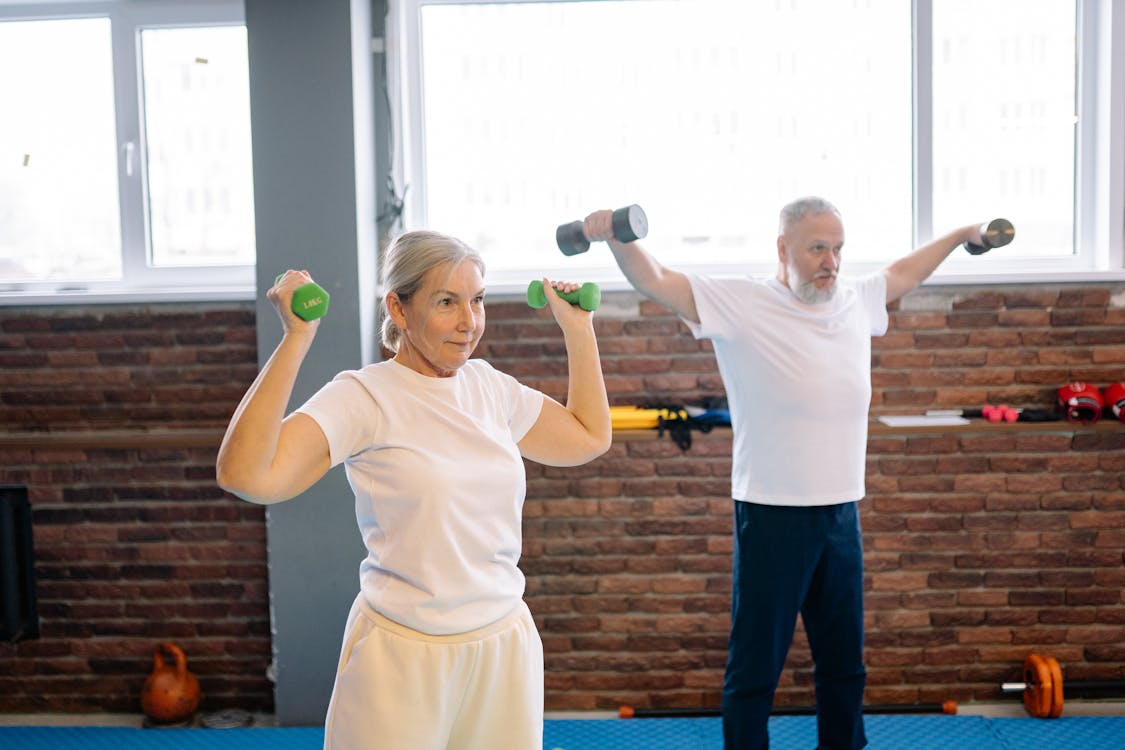
- Light dumbbell exercises
- Weight machines at the gym (with guidance)
Aim for 2-3 resistance sessions per week, targeting all major muscle groups. For a complete guide to getting started safely, see our beginner's strength training guide.
3. Balance and Posture Exercises
Preventing falls is a crucial part of managing osteoporosis. Balance exercises reduce your risk of falling, while posture exercises protect your spine. These include:
- Single-leg standing (holding a worktop for support)
- Heel-to-toe walking
- Tai chi (excellent evidence for fall prevention)
- Back extension exercises for posture
- Core strengthening (gentle, avoiding excessive spinal flexion)
Exercises to Approach with Care
With osteoporosis, some movements need modification or should be avoided, particularly those that place excessive stress on the spine in certain directions. Discuss these with your physiotherapist or GP.
- Forward bending under load: Heavy forward bending (like touching toes with weights) compresses the front of the vertebrae. Hinge at the hips instead
- Twisting movements under load: Rapid or loaded spinal rotation can stress vertebrae. Gentle rotation without weights is generally fine
- High-impact activities: Jumping or running on hard surfaces may need modification depending on your bone density and fracture risk
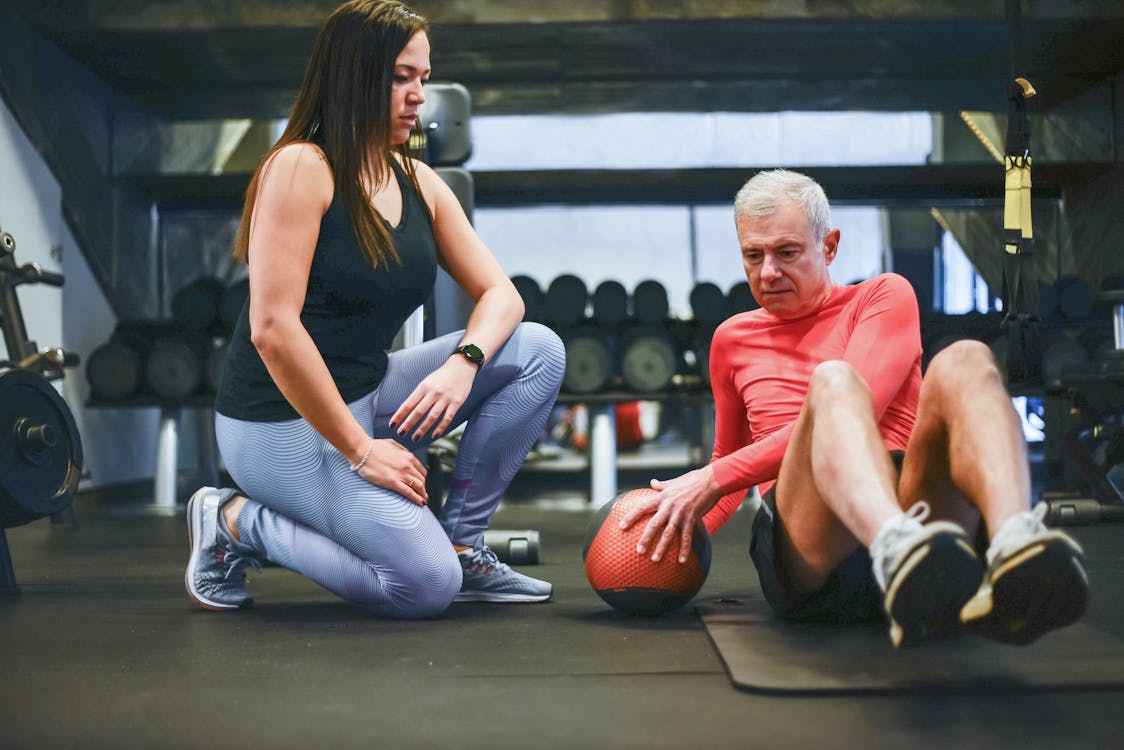
- Sit-ups and crunches: These flex the spine under load. Planks and bird-dogs are safer core alternatives
This does not mean you should fear movement. Most everyday activities are perfectly safe. The goal is to choose exercises that load bones beneficially without placing excessive stress on vulnerable areas.
A Safe Bone-Strengthening Routine
This routine combines weight-bearing, resistance, and balance exercises into a practical session you can do at home. Start with lighter effort and build up as you grow more confident. Allow yourself rest between exercises as needed.
Step 1: Warm-Up Walk (3 minutes)
Walk briskly around your home or garden to raise your heart rate gently. Swing your arms naturally. If you have stairs, walk up and down once or twice to add weight-bearing impact.
Step 2: Wall Press-Ups (8-12 repetitions)
Stand an arm's length from a wall, hands flat at shoulder height. Bend your elbows to bring your chest towards the wall, then push back. This loads the wrist and arm bones safely. Keep your body in a straight line throughout.
Step 3: Supported Squats (8-12 repetitions)
Hold the back of a sturdy chair. Lower yourself as if sitting down, keeping your weight in your heels and your knees behind your toes. Go as low as comfortable - even a small bend counts. This strengthens the hip and thigh bones.
Step 4: Heel Raises (12-15 repetitions)
Hold a worktop or chair back for balance. Rise up onto your toes, hold for 2 seconds, then lower slowly. This strengthens the calf muscles and loads the ankle and foot bones. For extra challenge, try on one leg at a time.
Step 5: Single-Leg Balance (30 seconds each side)
Stand near a worktop for safety. Lift one foot slightly off the floor and hold your balance. Start with 10 seconds and build to 30. This improves balance and strengthens the standing leg. If this feels easy, try closing your eyes briefly.
Step 6: Back Extensions (8-10 repetitions)
Lie face down on a firm surface with a folded towel under your forehead. Place your hands at your sides. Gently lift your head and shoulders a few centimetres off the floor, hold for 3 seconds, then lower. This strengthens the muscles supporting your spine and promotes good posture.
Aim to complete this routine 3 times per week. On other days, a brisk 20-minute walk provides additional weight-bearing benefit. For more detail on how exercise supports various health conditions, see our guide to exercise with health conditions.
The Role of Calcium and Vitamin D
Exercise works best for bone health when combined with adequate nutrition. Your bones need two key nutrients to rebuild and strengthen.
Calcium
Calcium is the primary mineral in bone. Adults over 50 need around 700mg daily (NHS recommendation), though some guidelines suggest up to 1200mg for people with osteoporosis. Good sources include:
- Dairy products (milk, cheese, yoghurt)
- Leafy green vegetables (kale, broccoli, spring greens)
- Fortified plant milks and cereals
- Tinned fish with soft bones (sardines, salmon)
- Tofu set with calcium
Vitamin D
Vitamin D helps your body absorb calcium. In the UK, sunlight from October to March is not strong enough for your skin to make vitamin D, so Public Health England recommends everyone consider taking a daily 10 microgram (400 IU) supplement during autumn and winter. People with osteoporosis may need higher doses - discuss this with your GP.
Food sources of vitamin D include oily fish, egg yolks, fortified cereals, and fortified spreads, but diet alone rarely provides enough.
Building Confidence with Osteoporosis
One of the biggest barriers to exercise with osteoporosis is fear - fear of falling, fear of fracture, fear of making things worse. These feelings are completely understandable, but avoiding movement actually increases your risk by weakening muscles and reducing balance.
Here are practical ways to build confidence:
- Start with supervised exercise: A physiotherapist or qualified instructor can show you correct technique and reassure you about safety
- Progress gradually: There is no rush. Small, consistent steps build both bone strength and confidence
- Exercise with others: Group classes designed for adults over 50 provide both motivation and social support
- Track your progress: Noting improvements in strength, balance, or walking distance reinforces that exercise is helping
- Remember the evidence: Exercise reduces fracture risk. Inactivity increases it. Movement is protective, not dangerous
Frequently Asked Questions
Is it safe to exercise with osteoporosis?
Yes - in fact, appropriate exercise is one of the best things you can do. Weight-bearing and resistance exercises stimulate bone formation, while balance exercises reduce fall risk. The Royal Osteoporosis Society, NHS, and NICE all recommend regular exercise for people with osteoporosis. The key is choosing the right types of exercise and getting guidance from a qualified professional if you are unsure.
Which exercises are best for building bone density?
Weight-bearing exercises with impact (brisk walking, dancing, stair climbing) and resistance training (bodyweight exercises, resistance bands, light weights) have the strongest evidence for improving bone density. Combining both types, along with balance exercises, gives you the most comprehensive bone protection.
Can exercise reverse osteoporosis?
Exercise can slow bone loss and, in some cases, modestly increase bone density - particularly in the spine and hips. However, it is most effective as part of a comprehensive approach that includes adequate calcium and vitamin D, and any medication your doctor prescribes. Think of exercise as a powerful complement to medical treatment, not a replacement for it.
How quickly will I see results from bone-strengthening exercises?
Bone remodelling is a slow process. Changes in bone density typically take 6-12 months to show up on a DEXA scan. However, you will likely notice improvements in strength, balance, and confidence within the first few weeks. These functional improvements are just as important as bone density numbers, because stronger muscles and better balance significantly reduce your risk of falling.
References
- Royal Osteoporosis Society. Exercise and osteoporosis. theros.org.uk
- NHS. Osteoporosis - treatment and prevention. nhs.uk
- NICE. Osteoporosis: assessing the risk of fragility fracture. nice.org.uk
- Royal Osteoporosis Society. Strong, Steady and Straight exercise programme. theros.org.uk