You do not need a gym to build meaningful upper body strength. With a resistance band, a pair of tins or light dumbbells, and a sturdy chair, you can work every major muscle in your arms, shoulders, chest, and back from your own living room. This guide gives you eight effective exercises, clear instructions for each, and a 25-minute routine you can follow today.
For a complete overview of strength training, including lower body and core work, see our complete guide to strength training over 50.
Why Upper Body Strength Matters After 50
Upper body strength is not about aesthetics - it is about function. You use your arms, shoulders, and back every time you lift a bag of shopping, push open a heavy door, reach for something on a high shelf, or get yourself up from the floor. As muscle mass naturally declines with age, these everyday tasks become harder unless you actively maintain your strength.
The NHS recommends strengthening activities at least twice per week. Upper body work is a crucial part of this because it supports posture, protects your shoulder joints, and maintains the independence to handle daily tasks with confidence.
What You Need
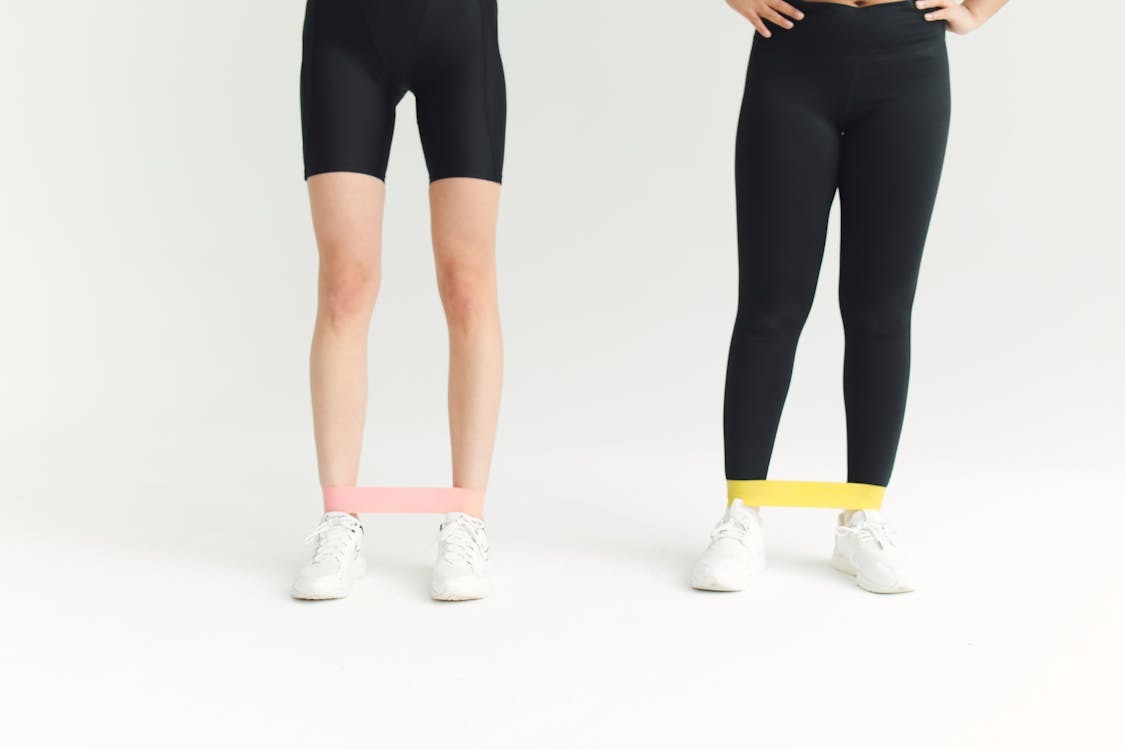
- Resistance band: A looped or tube band with handles. Medium resistance is a good starting point.
- Two tins or light dumbbells: 1-3kg to start. Baked bean tins work perfectly if you do not have dumbbells.
- Sturdy chair: For supported exercises and tricep dips.
That is everything. No pull-up bar, no cable machine, no gym membership. If you are deciding between home and gym training, our home vs gym comparison can help you choose.
The 8 Exercises
Exercise 1: Wall Press-Up
Targets: Chest, shoulders, triceps
Stand arm's length from a wall. Place both palms flat against the wall at shoulder height and
shoulder-width apart. Bend your elbows to bring your chest toward the wall, keeping your body
in a straight line. Push back to the start position. Perform 10-12 repetitions.
Progression: Move to an incline surface like a kitchen worktop, then a chair seat, as you get stronger.
Exercise 2: Resistance Band Bicep Curl
Targets: Biceps
Stand on the centre of your resistance band with both feet. Hold one end in each hand with
palms facing forward. Curl your hands toward your shoulders, keeping your elbows close to your
sides. Lower with control over 2-3 seconds. Perform 10-12 repetitions.
Tip: Avoid swinging. If you need momentum, the band is too heavy. For more band exercises, see our resistance bands guide.
Exercise 3: Overhead Press
Targets: Shoulders, triceps
Sit or stand holding a tin or dumbbell in each hand at shoulder height, palms facing forward.
Press both weights overhead until your arms are almost straight (do not lock your elbows).
Lower with control. Perform 10-12 repetitions.
Tip: Seated is easier on your lower back. Keep your core engaged throughout.
Exercise 4: Resistance Band Row
Targets: Upper back, biceps
Sit on the floor with legs extended. Loop your resistance band around both feet and hold the
ends. Pull your elbows back, squeezing your shoulder blades together. Slowly return to the
start. Perform 10-12 repetitions.
Tip: Focus on squeezing between your shoulder blades at the end of the pull. This exercise is excellent for posture.
Exercise 5: Tricep Dip (Chair-Supported)
Targets: Triceps, shoulders
Sit on the edge of a sturdy chair with hands gripping the seat beside your hips. Slide your
hips forward off the chair, supporting your weight on your hands. Bend your elbows to lower
your body, then press back up. Perform 8-10 repetitions.
Safety note: Keep your back close to the chair. Only lower as far as comfortable - a small range of motion is perfectly effective.
Exercise 6: Lateral Raise
Targets: Shoulders (deltoids)
Stand or sit holding a light weight in each hand, arms by your sides. Raise both arms out to
the sides until they reach shoulder height. Lower with control over 3 seconds. Perform 10-12
repetitions.
Tip: Start very light - this exercise is harder than it looks. One kilogram per hand is a sensible starting weight.
Exercise 7: Resistance Band Pull-Apart
Targets: Rear shoulders, upper back
Hold your resistance band in front of you at chest height with both hands, arms extended.
Pull the band apart by moving your hands outward until the band touches your chest. Squeeze
your shoulder blades together at the end. Slowly return. Perform 12-15 repetitions.
Tip: This is one of the best exercises for counteracting the forward-shoulder posture that comes from sitting and using phones.
Exercise 8: Bent-Over Reverse Fly
Targets: Upper back, rear shoulders
Stand with feet hip-width apart, holding light weights. Hinge forward at the hips keeping your
back flat (roughly 45 degrees). With a slight bend in your elbows, raise both arms out to the
sides. Squeeze your shoulder blades together at the top. Lower with control. Perform 10-12
repetitions.
Tip: Keep your neck neutral by looking at the floor about a metre ahead of you.
Your 25-Minute Upper Body Routine
Perform these exercises in order, resting 30-60 seconds between exercises:
- Wall press-ups: 2 sets of 12
- Resistance band bicep curls: 2 sets of 12
- Overhead press: 2 sets of 10
- Resistance band rows: 2 sets of 12
- Tricep dips: 2 sets of 8-10
- Lateral raises: 2 sets of 10
- Band pull-aparts: 2 sets of 15
- Bent-over reverse fly: 2 sets of 10
Warm up for 5 minutes first with arm circles, shoulder rolls, and marching on the spot. Cool down with gentle shoulder and arm stretches.
How to Progress
When 12 repetitions feel comfortable with good form, you have three options:
- Add a third set at the same weight
- Increase the weight slightly (0.5-1kg)
- Use a heavier resistance band
Change one variable at a time. If you increase weight, reduce to 8 repetitions and build back up to 12 before increasing again.
Frequently Asked Questions
How often should I do upper body exercises?
Two to three times per week with at least 48 hours between sessions targeting the same muscles. This gives your muscles time to recover and grow stronger. On non-upper-body days, you can train your lower body or core.
Can I build real strength without heavy weights?
Yes. Resistance bands, light dumbbells, and bodyweight exercises can build significant strength, especially for beginners and intermediate exercisers. The key is progressive overload - gradually increasing the challenge. Research shows comparable strength gains between bands and weights for most exercises.
What if an exercise hurts my shoulder?
Stop the exercise. Shoulder pain during exercise should not be pushed through. Try reducing the range of motion or switching to a different exercise for the same muscle group. If pain persists, chat with your GP or physiotherapist before continuing.
References
- NHS. Strength and flexibility exercises. nhs.uk
- Sport England. Active Lives Survey. sportengland.org
- Chartered Society of Physiotherapy. Exercise advice. csp.org.uk