Recovering mobility after an injury or surgery is a journey, not a destination. Whether you are rebuilding movement after a fall, a joint procedure, or an illness that kept you less active, your body has a remarkable capacity to recover when given the right support. This guide walks you through the stages of mobility recovery, with progressive exercises designed to rebuild strength, flexibility, and confidence at a pace that respects your body's healing process.
This guide builds on the principles in our getting started with mobility guide, with a specific focus on rebuilding movement after a period of reduced activity.
Understanding the Recovery Process
When your body has been less mobile, whether through injury, surgery, or illness, several changes occur. Muscles lose strength at a rate of approximately 1-3% per day of bed rest. Joint fluid becomes less effective without regular movement. Cardiovascular fitness declines. These changes are entirely normal and, importantly, entirely reversible with patient, progressive exercise.
The key principle is progressive overload: gradually increasing what you ask your body to do, allowing it to adapt and grow stronger at each stage. Recovery is not linear. You will have better days and more challenging days, and both are a normal part of the process. What matters is the overall trajectory, not any individual session.
NICE guidelines emphasise that early mobilisation after surgery or injury leads to better outcomes, fewer complications, and faster return to independence. Your body heals better when it is moving, provided the movement is appropriate for your stage of recovery.
Stage 1: Reactivation (Weeks 1-2)
The first stage focuses on gentle movement to reactivate your muscles and joints without placing excessive demand on healing tissues. These exercises can often be done in bed or from a seated position.
- Ankle pumps: Point your toes away from you, then pull them toward you. Repeat 15-20 times, 3 times daily. This promotes circulation and prevents stiffness.
- Gentle knee bends: While lying down, slide your heel toward your buttock, bending the knee. Slide back to straight. Perform 10 repetitions per leg.
- Seated arm raises: Sitting in a chair, raise both arms forward and up as far as comfortable. Lower slowly. Perform 10 repetitions.
- Deep breathing: 5 slow, deep breaths, expanding your ribcage fully. This maintains lung capacity and provides gentle core activation.
At this stage, exercises should feel easy to moderate. If anything causes sharp pain or significant discomfort, stop and consult your healthcare team.
Stage 2: Building Foundation Strength (Weeks 3-6)
As your body adapts, you can introduce exercises that build functional strength. These prepare you for daily activities like walking, standing from a chair, and managing stairs.
1. Supported Standing Balance
Hold a worktop or sturdy chair and stand on both feet. Shift your weight from side to side, then try lifting one foot slightly for 5-10 seconds. This rebuilds the balance pathways that may have declined during your recovery period.
2. Sit-to-Stand
From a sturdy chair, stand up using your hands on the armrests for support. Pause at the top, then sit back down slowly. Aim for 8-10 repetitions. As you grow stronger, reduce how much you push with your arms.
3. Supported Mini-Squats
Holding a worktop, bend your knees slightly to lower yourself a short distance. Hold for 2 seconds, then straighten. Perform 10-12 repetitions. Only go as low as comfortable, increasing depth over weeks.
4. Heel Raises
Holding a chair or worktop, rise onto your toes, hold for 2 seconds, and lower slowly. Perform 12-15 repetitions. This rebuilds calf strength essential for confident walking.
5. Wall Push-Ups
Stand arm's length from a wall. Place hands flat on the wall at shoulder height. Bend elbows to bring your chest toward the wall, then push back. Perform 10-12 repetitions. This rebuilds upper body strength for pushing, reaching, and getting up from surfaces.
6. Walking
Begin with short, flat walks (5-10 minutes) and gradually increase duration. Use a walking aid if recommended by your physiotherapist. Focus on quality of movement rather than speed or distance.
Stage 3: Functional Recovery (Weeks 7-12)
At this stage, you are rebuilding the strength and endurance needed for your normal daily activities. Exercises become more challenging and more closely mirror real-life movements.
- Stair practice: Begin with a single step, progressing to a full flight as your strength allows. Always use the handrail initially.
- Longer walks: Extend walking to 20-30 minutes on varied terrain. Include gentle slopes when comfortable.
- Resistance exercises: Add light resistance bands or weights to strengthen the specific muscles needed for your daily tasks.
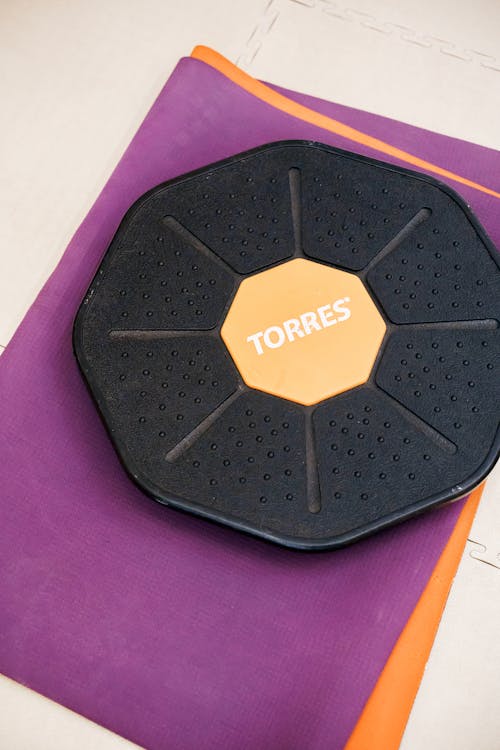
- Balance challenges: Progress from double-leg to single-leg standing, and try exercises on different surfaces.
For those recovering from surgery, our post-surgery exercise guide provides procedure-specific advice and timelines.
Patience and Progress: Managing Expectations
Recovery timelines vary significantly between individuals. Factors including your pre-injury fitness level, the nature of your injury or surgery, your age, and your overall health all influence how quickly you regain mobility. Comparing your progress to others is unhelpful.
What helps is tracking your own progress. Note what you could do at the start, and compare it to what you can do now. These improvements, however small they seem, are evidence that your body is responding to your efforts. A walk that took 15 minutes and left you tired now takes 12 minutes and feels comfortable. That is genuine, measurable recovery.
The Chartered Society of Physiotherapy advises that setbacks are a normal part of recovery. If you have a day where exercises feel harder or you feel more fatigued, it does not mean you are going backwards. Rest when needed, and resume when you feel ready.
When to Seek Additional Support
Contact your GP or physiotherapist if:
- Pain is increasing rather than gradually decreasing
- You notice new swelling, redness, or warmth around the injury or surgery site
- Your mobility seems to be declining despite consistent exercise
- You feel dizzy or lightheaded during gentle exercises
- You are unsure about whether a specific exercise is safe for your situation
Professional guidance is always available. NHS physiotherapy services, GP exercise referral schemes, and specialist rehabilitation programmes exist precisely to support your recovery. Asking for help is a proactive step, not a sign of difficulty.
Frequently Asked Questions
How long does mobility recovery take after surgery?
Recovery timelines vary by procedure and individual. Minor procedures may see significant recovery in 4-6 weeks, while major surgeries (hip or knee replacement, for example) may take 3-6 months for functional recovery and up to a year for full strength restoration. Your surgical team will provide a timeline specific to your procedure.
Is it normal to feel worse before feeling better during recovery?
Some fluctuation is normal, especially in the early weeks. Starting exercises may cause mild muscle soreness that differs from your injury pain. This usually settles within 24-48 hours and is a sign that your muscles are adapting. However, increasing sharp pain, swelling, or other concerning symptoms should be reported to your healthcare team.
Can I speed up my recovery by doing more exercise?
Doing more than recommended can actually slow recovery by overloading healing tissues. Your body needs time to repair and adapt. Follow your physiotherapist's guidance on exercise frequency and intensity. Consistency with appropriate exercises is more effective than excessive effort.
Should I exercise through pain during recovery?
Mild discomfort and stiffness during exercise are often expected during recovery. However, sharp pain, increasing pain during or after exercise, or pain that wakes you at night are signals to stop and consult your healthcare team. The rule of thumb is that exercise-related discomfort should settle within 24 hours. If it does not, you may need to reduce the intensity.
References
- NHS. Physiotherapy. nhs.uk
- Chartered Society of Physiotherapy. Rehabilitation. csp.org.uk
- NICE. Rehabilitation after critical illness in adults. nice.org.uk