When you are exhausted, the last thing you want to hear is "try exercising." It sounds contradictory - even frustrating. But the evidence on this is surprisingly clear: for most types of fatigue, gentle movement actually restores energy rather than depleting it. This is not about pushing through tiredness or ignoring your body. It is about understanding why fatigue happens, learning to work with your energy levels rather than against them, and using movement as a genuine tool for feeling better. Whether your fatigue comes from a health condition, medication, poor sleep, or the natural changes of ageing, this guide shows you how to start moving in a way that helps rather than hinders.
The Exercise-Energy Paradox
It seems illogical: you are tired, so how can using more energy create more energy? The answer lies in how your body adapts to regular movement. When you exercise, even gently, several things happen:
- Mitochondrial improvement: Your cells' energy-producing structures become more numerous and efficient, literally generating more energy at a cellular level
- Cardiovascular efficiency: Your heart pumps blood more effectively, delivering oxygen and nutrients to muscles and organs with less effort
- Hormone regulation: Exercise balances cortisol (the stress hormone) and boosts endorphins, both of which directly affect energy levels
- Sleep quality: Regular movement improves sleep depth and reduces nighttime waking, helping you feel more rested
- Mood improvement: Fatigue and low mood are closely linked; exercise breaks this cycle by improving both simultaneously
A landmark analysis by the University of Georgia reviewed 70 studies and found that regular exercise reduced fatigue by 65% across a wide range of conditions. The NHS recommends physical activity as a first-line approach for managing persistent tiredness.
Understanding Different Types of Fatigue
Not all fatigue is the same, and understanding your type helps you choose the right approach to movement.
General Age-Related Fatigue
As we age, natural changes in metabolism, hormone levels, and muscle mass can reduce energy. Muscle loss (sarcopenia) means everyday tasks require a higher percentage of your maximum capacity, leaving you feeling more tired. The solution is building fitness gradually so that daily activities feel easier. Strength training is particularly effective because it directly addresses muscle loss.
Condition-Related Fatigue
Many health conditions cause fatigue as a primary symptom. Arthritis, diabetes, heart conditions, and thyroid disorders all commonly cause tiredness. For most of these conditions, appropriate exercise is recommended as part of management. Our guide to exercise with health conditions covers condition-specific approaches in detail.
Cancer-Related Fatigue
Fatigue is one of the most common and distressing side effects of cancer and its treatment. Cancer Research UK reports that gentle exercise is one of the most effective ways to manage cancer-related fatigue, with evidence that it reduces tiredness, improves mood, and helps with sleep. Even during treatment, most people can benefit from gentle walking and light activity, though always check with your oncology team first.
ME/CFS Fatigue
Myalgic encephalomyelitis/chronic fatigue syndrome (ME/CFS) is different from general fatigue. The ME Association advises that graded exercise therapy, which pushes people to gradually increase activity, can worsen symptoms for many people with ME/CFS. If you have ME/CFS, pacing - carefully managing your activity within your energy envelope - is recommended rather than progressive exercise. NICE guidelines no longer recommend graded exercise therapy for ME/CFS. Speak with your GP or specialist about an appropriate approach.
Medication-Related Fatigue
Many common medications cause fatigue as a side effect, including beta-blockers, statins, some blood pressure medications, and antidepressants. If you suspect your medication is causing excessive tiredness, discuss this with your GP - adjusting timing or dosage can sometimes help. Gentle exercise is generally still beneficial, but start at a very low intensity and build up slowly.
Energy Pacing: The Key to Managing Fatigue
Pacing is the skill of balancing activity and rest to avoid the boom-and-bust cycle that many fatigued people experience. On good days, you do too much; on bad days, you cannot do anything. This pattern actually worsens fatigue over time.
Effective pacing means:
- Finding your baseline: This is the amount of activity you can do most days without triggering a crash. It might be a 5-minute walk or 15 minutes of gentle exercises
- Consistency over intensity: Doing a little every day is far better than a lot on good days followed by nothing
- Planning rest: Schedule rest before you need it, not after you have crashed. Rest is not laziness - it is strategy
- Increasing gradually: Add no more than 10% per week to your activity level. If your baseline is 10 minutes of walking, add just 1 minute the following week
- Accepting fluctuation: Some days will be better than others. On difficult days, reduce to your minimum but do not stop entirely
Getting Started: Movement for Energy
When fatigue is your constant companion, even thinking about exercise can feel overwhelming. These strategies help you begin:
Start Ridiculously Small
If 5 minutes feels too much, start with 2 minutes. If standing exercise feels too much, start seated. The goal is not fitness - it is breaking the inactivity cycle. Once your body experiences the energy boost from gentle movement, motivation often follows naturally.
Choose Your Best Time
Most people with fatigue have a time of day when they feel relatively better. For many, this is mid-morning. Schedule your movement for this window rather than forcing exercise when your energy is at its lowest.
Movement Snacks
Instead of one exercise session, try "movement snacks" - short bursts of activity spread throughout the day. Two minutes of gentle stretching in the morning, a 5-minute walk after lunch, a few seated exercises in the afternoon. These small doses add up without depleting your energy reserves.
Easy Options to Try
- Walking: Start with whatever distance feels manageable - even walking to the end of your street and back counts
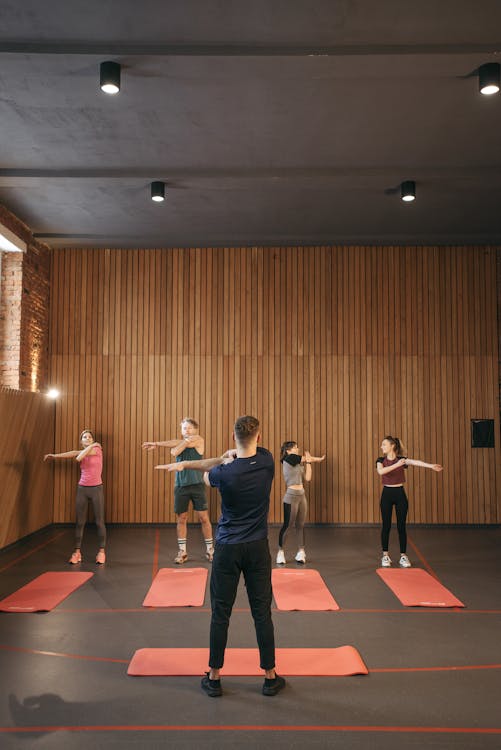
- Gentle stretching: A 5-minute stretching routine improves circulation and reduces the physical tension that accompanies fatigue
- Chair exercises: Our guide to chair exercises is perfect for days when standing feels too much
- Tai chi or gentle yoga: These combine movement with breathing and mindfulness, which can be particularly restorative
- Water-based exercise: The buoyancy of water supports your body weight, making movement feel easier
When Fatigue Needs Medical Attention
While exercise helps many types of fatigue, persistent or unexplained tiredness should always be discussed with your GP. Seek advice if:
- Fatigue lasts more than 4 weeks without obvious cause
- You feel tired despite getting adequate sleep
- Fatigue is accompanied by unexplained weight loss, night sweats, or other new symptoms
- You feel significantly more tired after minor activity
- Fatigue is affecting your ability to work or maintain daily routines
Common medical causes include iron deficiency anaemia, thyroid disorders, diabetes, vitamin D deficiency, and sleep apnoea - all of which are treatable. A simple blood test can rule out or identify most of these.
Frequently Asked Questions
Will exercise really help if I am already exhausted?
For most types of fatigue, yes. Research consistently shows that regular gentle exercise reduces fatigue more effectively than rest alone. The key word is gentle - this is not about intense workouts. Even 5-10 minutes of light walking can improve energy levels. The improvement is gradual: you may not feel energised immediately, but over 2-4 weeks of consistent gentle movement, most people notice a meaningful difference.
How do I exercise when I have no energy?
Start with the smallest possible step. If walking feels too much, begin with seated exercises or gentle stretching. Choose your best time of day. Set a timer for just 2-3 minutes and stop when it goes off - you can always do more if you feel able, but the commitment is only a few minutes. On very difficult days, even standing up and sitting down a few times counts as movement. The goal is consistency, not intensity.
Should I exercise on bad days?
On bad days, reduce your activity but try not to stop completely. If your normal routine is a 15-minute walk, perhaps do 5 minutes of gentle stretching instead. Complete rest on bad days often leads to worse fatigue the following day. The exception is ME/CFS, where pushing through can cause a crash - if you have ME/CFS, follow your specialist's pacing advice rather than general exercise guidelines.
References
- NHS. Self-help tips to fight tiredness. nhs.uk
- Cancer Research UK. Coping with fatigue. cancerresearchuk.org
- ME Association. Managing your energy. meassociation.org.uk