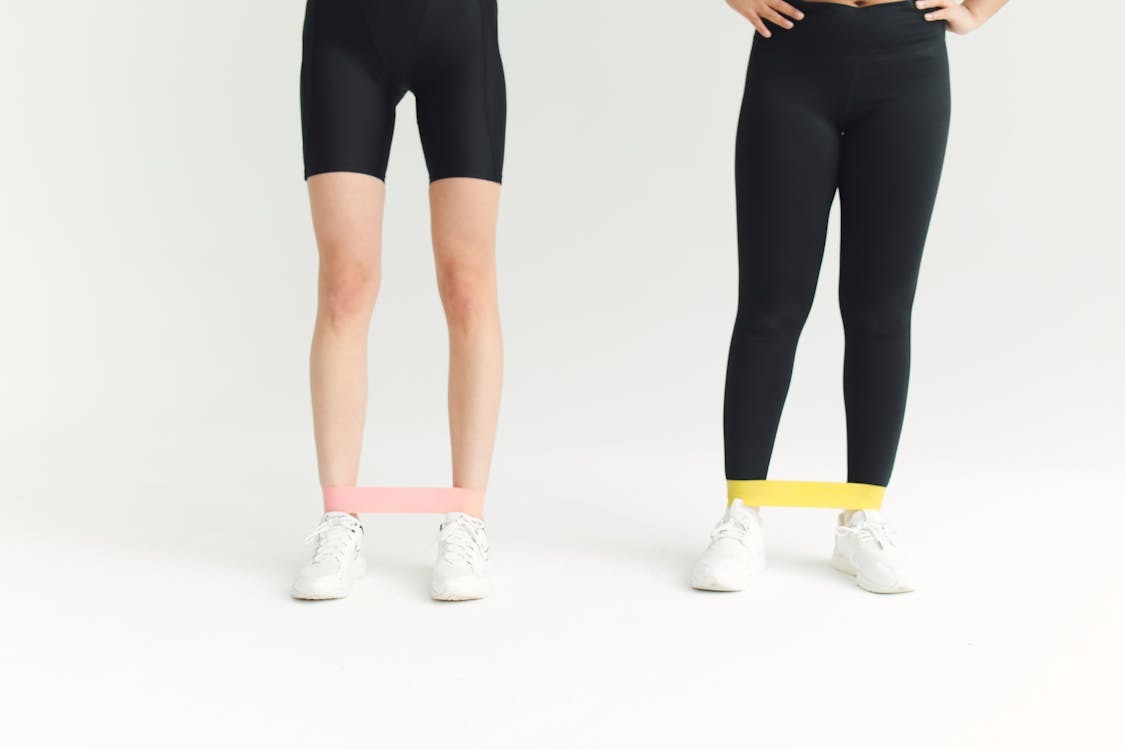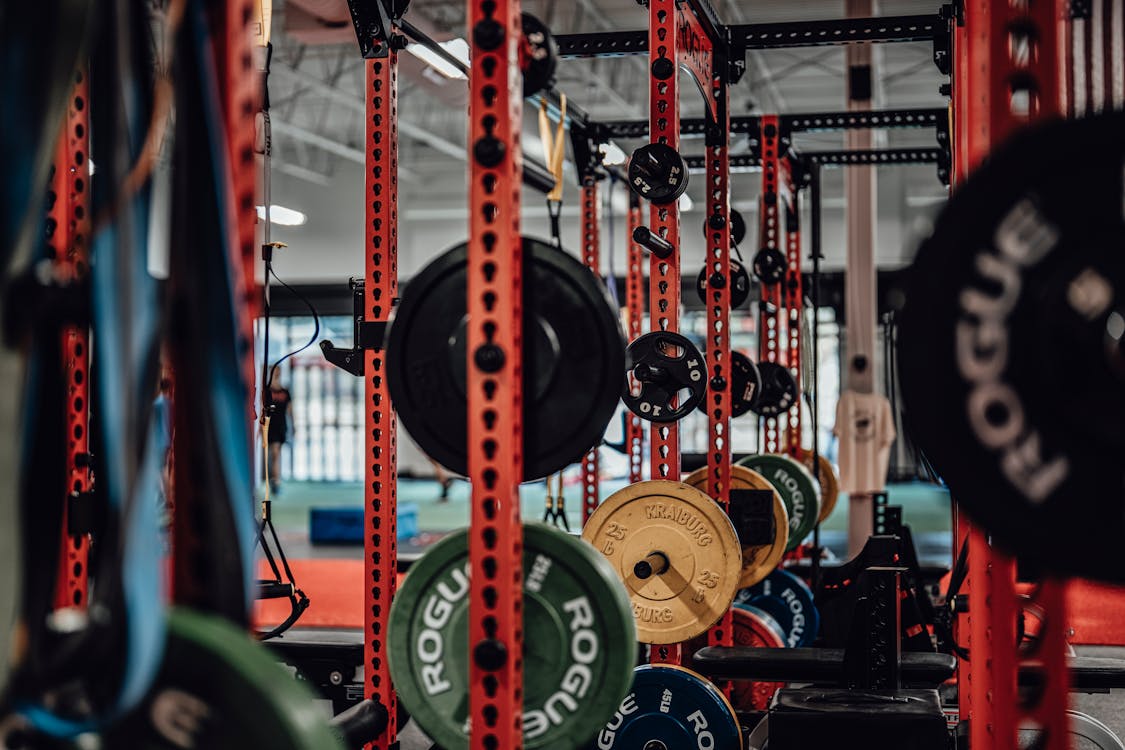
Should you join a gym or train at home? It's a question many adults over 50 face when starting or restarting their fitness journey. Both options have genuine advantages, and the honest answer is: it depends on you. This guide presents a balanced comparison of home and gym training, covering costs, equipment, motivation, and practicality - so you can make the choice that fits your life.
The Case for Home Workouts
Training at home removes several common barriers to exercise. There's no commute, no waiting for equipment, and no one watching while you figure things out. For many people, these factors make the difference between consistent training and constant excuses.
Convenience That Supports Consistency
Your living room is always available. At 6am or 9pm, in ten-minute gaps between appointments or during a lunch break - home training fits around your schedule rather than demanding you fit around gym opening hours. This flexibility often leads to better consistency, which matters more than any single workout.
Privacy for Building Confidence
If the idea of exercising in front of others feels uncomfortable, home training offers a pressure-free environment. You can experiment with new exercises, make mistakes, and find your form without self-consciousness. Many people build their initial confidence at home before transitioning to a gym setting.
Lower Ongoing Costs
After an initial equipment investment (which can be minimal), home training has no recurring fees. A set of resistance bands, a few dumbbells, and a yoga mat cost less than two months of most gym memberships. For our complete guide to resistance band training, see our resistance bands guide.
The Case for Gym Workouts
Gyms offer resources that are difficult or impossible to replicate at home. If you're serious about strength training and enjoy a social environment, a gym membership may offer significant value.
Access to Diverse Equipment
A well-equipped gym provides cable machines, barbells, dumbbells in every weight increment, cardio equipment, and often a pool or classes. This variety allows for progressive overload and exercise variation that would cost thousands to recreate at home.
Social Motivation and Accountability
Some people thrive with the social aspect of gym training. Regular gym-goers often develop a sense of community. Seeing others working out can be motivating, and scheduled classes provide external accountability that keeps people showing up.
Professional Support Available
Most gyms have staff who can help with equipment and basic guidance. Many offer personal training or group classes with qualified instructors. For people with specific health conditions or goals, this access to expertise can be valuable.
Practical Comparison
| Factor | Home Training | Gym Training |
|---|---|---|
| Startup Cost | Low to moderate (£50-£300 for basics) | Low (joining fee, if any) |
| Monthly Cost | None after initial purchase | £25-£60 typically |
| Commute Time | None | 10-30 minutes each way |
| Equipment Variety | Limited (can be expanded) | Extensive |
| Privacy | Complete | Shared space |
| Social Element | Limited (online communities) | In-person community |
| Expert Guidance | Online resources, videos | Staff, trainers, classes |
| Schedule Flexibility | Complete (24/7) | Limited by opening hours |
The Real Cost Breakdown
Understanding the true costs helps you make an informed decision:
Home Setup (One-Time)
- Resistance band set: £15-£25
- Adjustable dumbbells (2-20kg): £100-£200
- Yoga mat: £15-£30
- Sturdy chair (you likely have one): 0
- Optional: Pull-up bar, kettlebell: £50-£100
Total: £130-£355 one-time investment
Gym Membership (Ongoing)
- Budget gym (PureGym, The Gym): £20-£25/month
- Mid-range gym: £30-£50/month
- Premium gym with pool: £50-£80/month
- Local authority leisure centre: £25-£40/month
Annual cost: £240-£960
Over three years, even a budget gym costs £720-£900, while a comprehensive home setup costs £200-£400 once. However, if you value the equipment variety and social environment, the gym cost may be worthwhile.
The Hybrid Approach: Best of Both
You don't have to choose exclusively. Many people find a hybrid approach works best:
- Primary home training: 2-3 sessions per week at home with basic equipment
- Weekly gym session: Pay-as-you-go for equipment you can't replicate at home
- Group classes: Monthly or fortnightly for social motivation and expert instruction
This approach gives you the consistency benefits of home training while accessing gym resources when they genuinely add value. Our complete strength training guide covers programming options for both environments.
Making Your Decision
Consider these questions to guide your choice:
- What's your schedule like? Unpredictable schedules favour home training; regular routines may suit gym visits.
- How do you stay motivated? Self-motivated people often thrive at home; those who need external accountability may benefit from gym classes or training partners.
- What's your budget? Tight budgets favour home training after initial investment; those with more flexibility might value gym variety.
- How important is equipment variety? If you want heavy barbells and cable machines, a gym is the practical choice.
- Do you value privacy or community? Introverts often prefer home; extroverts may enjoy gym social aspects.
There's no wrong answer. The best training location is the one where you'll actually train consistently.
Getting Started Either Way
Whether you choose home, gym, or a hybrid approach, the fundamentals remain the same. For exercise selection and programming principles, our essential exercises guide covers movements that work in any setting.
If you're starting with resistance bands at home, our dedicated resistance bands guide provides a complete introduction to this versatile, joint-friendly equipment option.
Frequently Asked Questions
Can I build significant strength training only at home?
Absolutely. With progressive resistance through bands, dumbbells, and bodyweight progressions, you can build substantial strength at home. Many people achieve their fitness goals without ever joining a gym. The key is progressive overload - gradually increasing the challenge over time.
What if I start at home and later want to try a gym?
This is a common and sensible progression. Starting at home builds basic strength and exercise confidence. When you're ready, you'll feel more comfortable in a gym environment because you already know how to perform fundamental movements.
Are gym classes worth it for strength training?
Group strength classes can be excellent for motivation and learning proper form. Look for classes specifically designed for strength rather than cardio-focused formats. Small group training often provides better individualised attention than large classes.
References
- NHS. Strength and flexibility exercises. nhs.uk
- Sport England. Active Lives Survey. sportengland.org
- Age UK. Exercise and physical activity. ageuk.org.uk