"I was strong in my forties. I built muscle easily. Now sixty is round the corner, most of it has gone, and it will not come back." We hear a version of that most weeks, nearly always from women, nearly always with the same bewilderment. It is not imagination and it is not a lack of effort. Something real changes at menopause. The answer is not to walk further.
What actually changes
Oestrogen does more than regulate your cycle. It plays a part in how muscle repairs and grows after exercise, so once levels fall the same effort tends to produce a smaller result, and muscle you are not using goes more quickly. Bone density loss speeds up in the years around menopause. Body fat tends to shift towards the middle, sometimes at exactly the same weight on the scales. Sleep and energy are often worse, which makes training harder to start and easier to skip.
None of that means your body cannot build muscle. It means it needs a clearer signal than it used to, and more patience with the result.
Why walking, swimming and classes are not enough
They keep you moving and they are good for your heart, and you should keep doing them. What they do not do is ask a muscle to do more than it did last week, and that is the only thing that makes a muscle grow. A walk is the same walk every day. A swim is the same swim. Your muscles adapt to that in a few weeks and then have no reason to change.
Strength training works because it is progressive: the weight, the repetitions or the difficulty go up a little at a time. After menopause that principle matters more, not less, because the window for a lazy signal has closed. For the full picture see our complete guide to strength training over 50.
What works after menopause
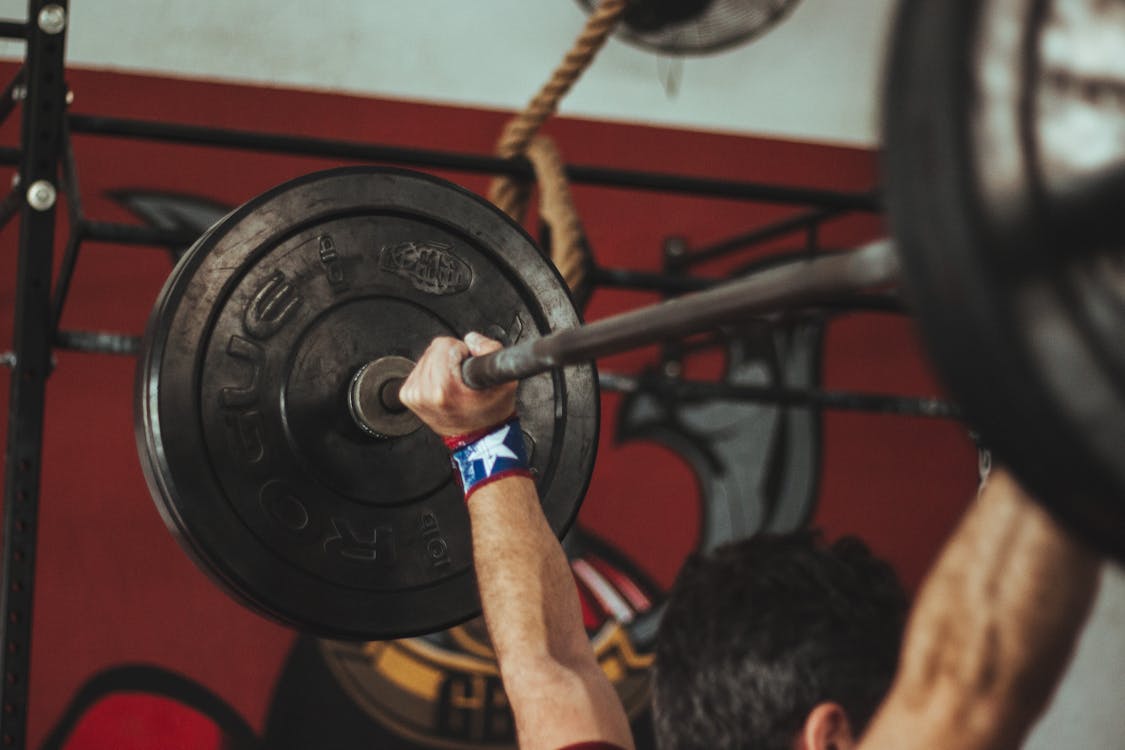
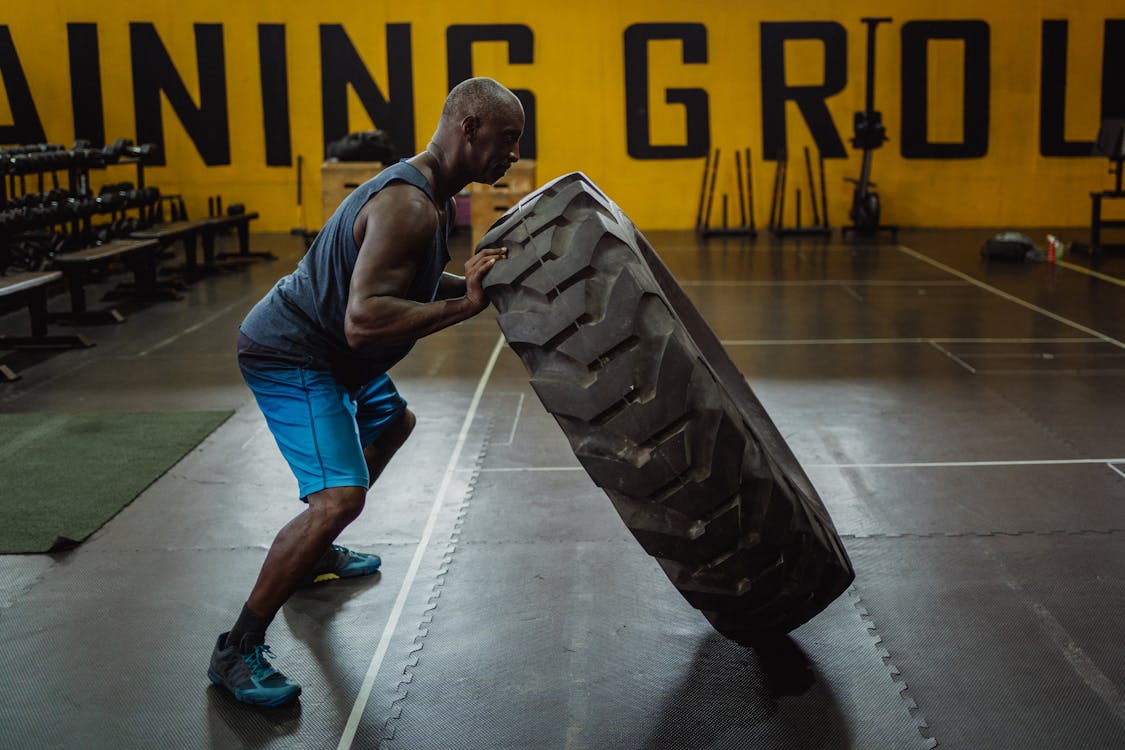
- Strength training two or three times a week. Whole-body sessions built on the movements you use in life: sit-to-stand and squats, hip hinges, presses, rows and carries. The last two or three repetitions of a set should feel like work. Our five essential strength exercises are the right place to start.
- Enough protein, spread across the day. Muscle cannot be built from nothing. Most women eat protein at dinner and very little at breakfast; moving some of it earlier makes a difference. Our guide to protein after 50 explains how much.
- Load your bones as well as your muscles. Strength work and impact, such as brisk walking and step-ups, are the two things bone responds to. See building bone strength safely after 50.
- Patience measured in weeks. Strength changes first, usually within four to six weeks. Visible muscle takes longer. The scales are the wrong instrument for this: they cannot tell muscle from fat. A body-composition scan, a tape measure and how your clothes fit tell you what is actually happening.
- Sleep and recovery. Muscle is built between sessions, not during them. Two hard sessions with a rest day between beat four half-hearted ones.
What a first session should look like
If you have never lifted a weight, or not since your forties, the first session should not be a workout. It should be a screen: how you move, what hurts, what you can already do. Every exercise should be shown to you before you do it, and the loads should start light and rise week by week. Being in a room with people at the same stage of life matters more than most people expect, because nobody is watching and nobody is in a hurry.
About HRT and medication
Whether you take hormone replacement therapy is a conversation for you and your GP, and this article is not the place for that advice. What is worth knowing is that strength training works alongside whichever route you choose. It is one of the few things fully in your own control that supports muscle, bone and the weight that settles around the middle at the same time, and many women find it changes how they feel day to day as much as how they look.
Frequently asked questions
Is strength training safe after menopause?
For most women, yes, and the NHS recommends muscle-strengthening activity on at least two days a week at every age. If you have been diagnosed with osteoporosis, have had a fracture, or have a joint problem, get guidance on which movements to load and how. That is exactly what coached sessions are for.
How long before I see a difference?
Most people feel stronger within three or four weeks: the shopping is lighter, the stairs are easier, getting up off the floor takes less thought. Measurable change in muscle takes a couple of months of consistent training. Visible change takes longer still, and depends on body fat as much as muscle.
Do I need to lift heavy?
Heavy is relative. The test is whether the last few repetitions of a set feel like work. For many women that starts with body weight and a chair, then a light dumbbell, then a heavier one. What matters is that the number keeps rising over the weeks.
References
- NHS. Menopause. nhs.uk
- NHS. Menopause: things you can do. nhs.uk
- NHS. Strength and flexibility exercises. nhs.uk
- Royal Osteoporosis Society. Exercise for bones. theros.org.uk